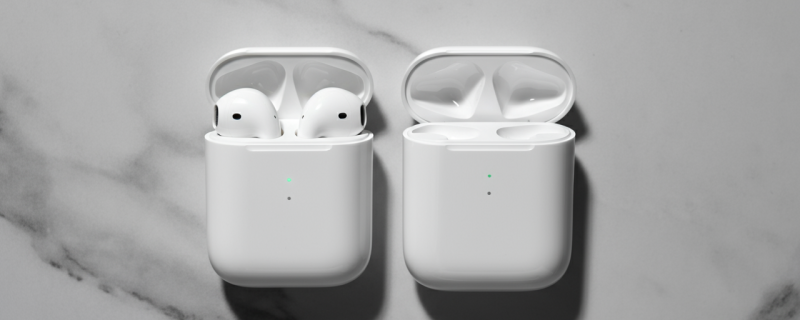

AirPods emit RF radiation via Bluetooth directly inside your ear canal, centimeters from your brain. Each AirPod has its own transmitter, meaning two active RF sources simultaneously.
While AirPods meet FCC safety standards, those standards were created in 1996 and only address heating effects—not biological effects or devices worn inside the ear for hours daily.
Medical Disclaimer: This article is for informational purposes only. It is not, nor is it intended to be, a substitute for professional medical advice, diagnosis, or treatment and should never be relied upon for specific medical advice.
Key Takeaways
- AirPods use Bluetooth technology operating at 2.4 GHz, emitting RF radiation continuously while connected
- True wireless design means each AirPod has its own transmitter, doubling the radiation sources
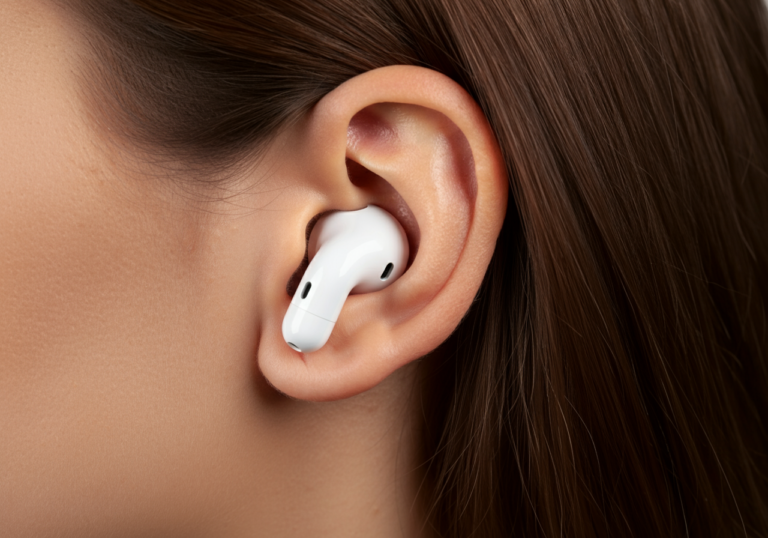
- In-ear placement puts the transmitter millimeters from brain tissue and the inner ear
- Apple doesn’t publish SAR values for AirPods, but they fall within typical Bluetooth ranges
- Safer alternatives include wired EarPods, air tube headphones, or over-ear Bluetooth options
Do AirPods Emit Radiation?
Yes. AirPods, like all Bluetooth devices, emit radiofrequencyRadiofrequency (RF) refers to electromagnetic waves in the frequency range of approximately 3 kHz to 300 GHz. This portion of the electromagnetic spectrum is used for wireless communication. RF energy... (RF) electromagnetic radiationElectromagnetic radiation (EMR) is energy that travels through space as waves of oscillating electric and magnetic fields. It includes everything from radio waves to visible light to gamma rays. All.... This isn’t speculation or fear-mongering. It’s how wireless technology works.

Every AirPod contains a Bluetooth transmitter that sends and receives signals from your iPhone, iPad, or Mac. As long as they’re powered on and connected, they’re actively emitting RF radiation into your ear canal.
As R Blank notes in his book Empowered, “Bluetooth headphones like AirPods” represent a significant EMFEMF stands for electromagnetic field (also called electromagnetic frequency or electromagnetic force). EMFs are invisible fields of energy produced by electrically charged objects. They exist on a spectrum ranging from... source because wireless earbuds “can emit pulsed RF signals… very close proximity to the body, which magnifies exposure.”
For a broader understanding of whether Bluetooth headphones are bad for you, AirPods represent a specific case study in proximity-based exposure.
AirPods Radiation Levels
Apple doesn’t publish Specific Absorption Rate (SAR) values for AirPods the way they do for iPhones. However, we can understand AirPods radiation through several lenses:
Bluetooth Power Class
Most sources indicate AirPods use Class 1 Bluetooth, which allows transmission up to 100 milliwatts. However, actual transmission power varies based on connection quality and adaptive power management.
Comparison to Other Devices
| Device | Typical SAR | Distance from Brain | Daily Use Duration |
|---|---|---|---|
| iPhone (calling) | 0.99-1.19 W/kg | 0-2 cm (at ear) | Minutes |
| AirPods | Est. 0.05-0.25 W/kg | ~0 cm (inside ear) | Hours |
| Over-ear wireless | 0.01-0.05 W/kg | 1-2 cm | Hours |
| WiFi router | N/A (varies by distance) | 1-10 meters | Continuous |
The numbers show AirPods have lower SAR than phones, but the proximity factor is critical. AirPods sit inside your ear canal, eliminating any protective distance.
The Proximity Problem
The inverse square law means radiation intensity drops rapidly with distance. At contact distance, you receive the maximum possible exposure from that device. AirPods don’t just sit near your head. They sit inside it.

AirPods Models Compared
Apple offers several AirPods models, each with slightly different radiation considerations:

AirPods (3rd Generation)
Standard AirPods rest in the outer ear, not deep in the ear canal. They use the H1 chip for Bluetooth connectivity. The semi-open design allows some ambient sound but doesn’t seal the ear canal.
AirPods Pro (2nd Generation)
AirPods Pro use silicone ear tips that create a seal inside the ear canal. This deeper insertion places the transmitter closer to the eardrum and inner ear structures. Active Noise Cancellation (ANC) adds processing but doesn’t significantly change Bluetooth radiation.
AirPods Max
AirPods Max are over-ear headphones that create more distance between the transmitter and brain tissue. While still Bluetooth-enabled, their form factor results in lower localized exposure compared to in-ear AirPods.
Radiation hierarchy (highest to lowest localized exposure):
1. AirPods Pro (deep ear canal insertion)
2. AirPods (outer ear placement)
3. AirPods Max (over-ear, more distance)
The Science on AirPods and Health
No study has definitively proven AirPods cause disease. But no study has proven they’re safe for long-term, daily use either. The technology is simply too new for that research to exist.
What we do have is a substantial body of research on RF radiation in the same frequency range:
What Research Suggests
For a deeper look at the question of whether Bluetooth radiation is harmful, the research paints a nuanced picture.
Cellular effects: Studies show RF radiation can affect cell membrane permeability, heat shock protein expression, and cellular stress responses at non-thermal levels.
DNA damage: Multiple studies have found single and double-strand DNA breaks from RF exposure below current safety limits.
Blood-brain barrier: Research indicates RF radiation may increase blood-brain barrier permeability, potentially allowing toxins to enter brain tissue.
Brain metabolism: PET scans have shown altered glucose metabolism in brain regions closest to cell phone antennas during use.
The Research Gap
Most RF research focuses on cell phones, which transmit at much higher power levels. The specific combination of:
- Low power
- Direct ear canal placement
- Extended duration (hours daily)
- Use from childhood
…has not been extensively studied for AirPods specifically. The absence of studies isn’t evidence of safety. It’s an absence of data.
Do AirPods Cause Cancer?
This is the question many people are really asking. The honest answer: we don’t know.
What We Know
- The WHO’s International Agency for Research on Cancer (IARC) classifies RF radiation as “possibly carcinogenic” (Group 2B)
- This classification was based primarily on cell phone research, not Bluetooth devices
- No long-term studies specifically on AirPods and cancer exist
- Cancer typically takes decades to develop, and AirPods have only existed since 2016
What This Means
The “possibly carcinogenic” classification means there’s limited evidence suggesting RF radiation might cause cancer, but it’s not conclusive. Other things in Group 2B include coffee, pickled vegetables, and aloe vera extract.
The classification doesn’t prove AirPods are dangerous. But it doesn’t prove they’re safe either. It means more research is needed, and precaution is reasonable while we wait for answers.
Are AirPods Bad for Your Brain?
The brain is particularly relevant for AirPods concerns because:

- Proximity: AirPods sit centimeters from brain tissue
- Duration: Many users wear them for hours daily
- Sensitivity: Brain tissue may be particularly sensitive to RF effects
Brain-Specific Concerns
Blood-brain barrier: This protective barrier keeps toxins out of brain tissue. Studies suggest RF radiation may temporarily increase its permeability.
Neural activity: Some research shows changes in brain wave patterns and neural activity following RF exposure.
Developing brains: Children’s and adolescents’ brains are still developing, potentially making them more vulnerable to any effects.
What This Doesn’t Mean
This doesn’t mean AirPods will definitely damage your brain. It means the concern is scientifically grounded, not paranoid. The brain’s proximity to AirPods, combined with hours of daily use, creates a scenario that hasn’t been adequately studied.
Who Should Be Most Cautious?
While everyone can benefit from reducing unnecessary EMF exposure, some groups warrant extra consideration:

Children and Teens
- Thinner skulls allow greater RF penetration
- Developing brains may be more susceptible
- Lifetime cumulative exposure will be highest
- Ears are smaller, creating even closer proximity
Pregnant Women
- Fetal development involves rapid cell division
- Unknown effects on developing nervous system
- Precautionary principle suggests minimizing exposure
People with Existing Health Concerns
- Those with electromagnetic hypersensitivity (EHS)
- People with neurological conditions
- Anyone experiencing headaches or tinnitus with AirPods use
Heavy Users
If you wear AirPods 4+ hours daily, your exposure is dramatically higher than occasional users. The dose-response relationship in radiation exposure means more use equals more potential risk.
How to Reduce AirPods Exposure
If you want to continue using AirPods while reducing your exposure:
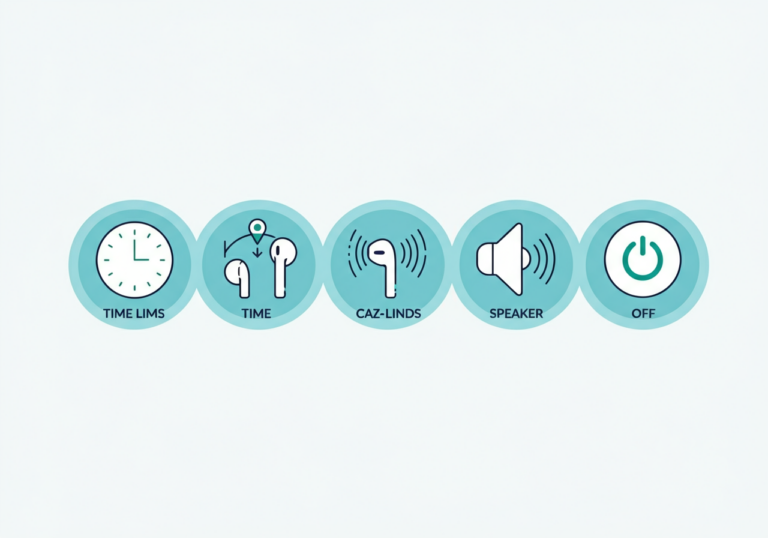
1. Limit Duration
Track your usage and set limits. Use AirPods for specific activities (commuting, workouts) rather than all-day wear.
2. Use One AirPod
Using a single AirPod cuts your exposure roughly in half. Alternate which ear you use.
3. Lower Volume
Higher volume doesn’t increase radiation, but lower volume may let you use them for shorter periods.
4. Switch to Transparency Mode
Using Transparency mode instead of Noise Cancellation doesn’t change Bluetooth radiation, but it may reduce your total wear time by letting you hear your environment.
5. Choose AirPods Max Over AirPods Pro
If you need wireless Apple headphones, AirPods Max create more distance from your brain than in-ear options.
Safer Alternatives to AirPods
If you want to eliminate or dramatically reduce your headphone-related EMF exposure, check out our low EMF headphones comparison for detailed recommendations. Here’s an overview:
Apple Wired EarPods
Apple still sells wired EarPods with Lightning connector (or USB-C for newer devices). These eliminate Bluetooth radiation entirely, though they can conduct some RF from your phone.
Air Tube Headphones
Air tube headphones use hollow tubes to carry sound to your ears, keeping all electronic components away from your head. This is the lowest-EMF headphone option available.
Over-Ear Bluetooth Headphones
If you prefer wireless, over-ear headphones from any brand create more distance than in-ear options. Not zero exposure, but reduced localized exposure.
Speakerphone
For calls, use your phone’s speaker when privacy allows. No device against your head means no direct head exposure.
Common Misconceptions
Misconception: “AirPods are safe because they’re approved by the FCC.”
Reality: FCC approval means AirPods meet standards written in 1996 for thermal effects only. These standards don’t address non-thermal biological effects or all-day wearable use patterns.
Misconception: “AirPods emit less radiation than phones, so they’re fine.”
Reality: While true that AirPods emit less power than phones, phones aren’t typically held inside your ear canal for hours. Proximity and duration matter as much as power level.
Misconception: “If AirPods were dangerous, Apple wouldn’t sell them.”
Reality: Products are regulated based on current scientific consensus and safety standards. History shows many products (tobacco, asbestos, lead paint) were sold long after evidence of harm emerged.
Misconception: “Millions of people use AirPods without problems.”
Reality: Many health effects take years or decades to manifest. Bluetooth earbuds have only been popular for about a decade. We can’t yet know the long-term outcomes.
The Bottom Line
AirPods emit RF radiation directly into your ear canal, millimeters from your brain. The radiation levels are lower than cell phones, but the placement is more intimate and the usage duration is often longer.
Current safety standards weren’t designed for devices worn inside ears for hours daily, starting in childhood. The research on long-term effects doesn’t yet exist because the technology is too new.
You don’t have to throw away your AirPods. But understanding what they emit helps you make informed choices about when to use them, how long to use them, and when safer alternatives might serve you better.
The choice is yours. Now you have the information to make it wisely.
Frequently Asked Questions
AirPods Pro actually sit deeper in the ear canal than standard AirPods, potentially creating greater proximity to sensitive tissues. The noise-canceling feature doesn't affect Bluetooth radiation levels.
Yes, as long as they're connected to a device, AirPods periodically transmit to maintain the Bluetooth connection, even during silence.
Yes, with an RF meter capable of measuring 2.4 GHz. Insert the AirPods into something ear-shaped and position the meter where your brain would be.
All true wireless earbuds use similar Bluetooth technology. AirPods aren't significantly better or worse than Samsung Galaxy Buds, Sony WF series, or other brands in terms of EMF emissions.
That's a personal decision based on your risk tolerance. This article provides information to help you make that choice. Options range from continued use with precautions, to switching to wired or air tube alternatives.