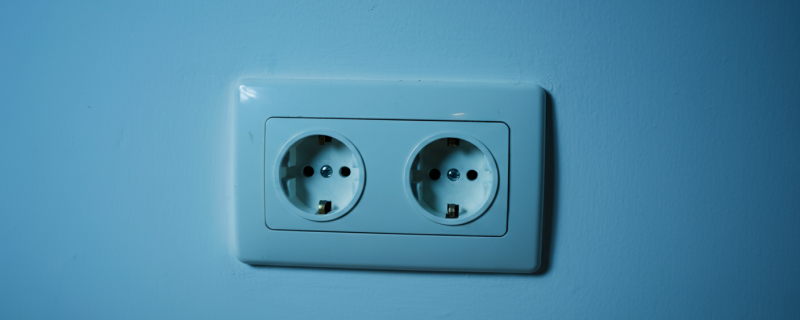

Yes, dirty electricity filters work by absorbing high-frequency electrical noise from your wiring. Plug-in filters address individual circuits while whole-home filters treat electricity at the panel. Effectiveness depends on proper placement and your home’s specific sources.
The key is measurement. Use a meter before and after installing filters to verify they’re reducing levels—without testing, you’re guessing about both problem and solution.
Key Takeaways
- Dirty electricity filters measurably reduce high-frequency noise (2-100+ kHz) on your home’s wiring
- Plug-in filters treat individual circuits; whole-home filters treat all electricity at the panel
- Always measure before and after installation with a meter to verify effectiveness and prioritize bedrooms and offices
- Multiple plug-in filters may be needed for whole-home coverage; placement matters for best results
- Filters can’t eliminate dirty electricity entirely or fix underlying wiring problems
If you’ve learned about dirty electricity and the electrical pollution traveling through your home’s wiring, your next question is probably: what can I actually do about it?
Dirty electricity filters are designed specifically to address this problem. But do they actually work? And with different types and brands available, how do you choose the right one for your situation?
If you’re new to the topic, start with our complete guide: What is Dirty Electricity?. This article focuses on the practical side: evaluating whether filters work, comparing your options, and helping you make an informed decision.
Do Dirty Electricity Filters Actually Work?
The short answer is yes. When properly applied, dirty electricity filters measurably reduce high-frequency electrical noise on your home’s wiring.

These aren’t theoretical devices. You can plug a dirty electricity meter into an outlet, see a reading, install a filter on that circuit, and measure the reduction. This before-and-after verification is exactly what we recommend.
However, “work” requires context:
What filters can do:
- Reduce high-frequency transients (2-100+ kHz) on electrical circuits
- Lower the overall dirty electricity level radiating from your wiring
- Block noise generated by devices from spreading to other circuits
- Clean incoming dirty electricity from external sources
What filters cannot do:
- Eliminate dirty electricity entirely (some residual noise is normal)
- Address dirty electricity from wireless sources (that’s RF radiation)
- Fix underlying wiring problems that create magnetic field issues
- Guarantee symptom relief (individual responses vary)
The measurable reduction in electrical noise is real and verifiable. Whether that reduction translates to noticeable benefits depends on your sensitivity, baseline exposure levels, and other factors in your environment.
How Dirty Electricity Filters Work
Understanding the mechanism helps you use filters effectively.

Standard household electricity flows at 60 Hz (in North America). Dirty electricity consists of higher-frequency components—typically 2 kHz to 100+ kHz—that ride along on that 60 Hz wave.
Dirty electricity filters use passive electronic components (capacitors and inductors) to create a low-impedance path for high-frequency noise. In simple terms: the filter absorbs the high-frequency garbage while letting the standard 60 Hz electricity pass through normally.
This works in two directions:
- Incoming filtering: Dirty electricity already on the circuit gets absorbed by the filter
- Outgoing blocking: Noise generated by devices plugged into filtered outlets doesn’t spread back through your wiring
Think of it like a strainer that catches debris while letting water flow through. The filter catches electrical noise while letting clean power continue to your devices.
Types of Dirty Electricity Filters
Three main categories address dirty electricity, each with distinct applications.

Plug-In Filters
What they are: Compact devices that plug directly into standard outlets.
How they work: They filter the circuit they’re connected to, reducing dirty electricity on that specific branch of your wiring.
Best for:
- Targeted protection in specific rooms (bedrooms, offices)
- Homes where whole-home installation isn’t practical
- Testing whether filtration helps before larger investment
- Renters who can’t modify electrical systems
Considerations:
- You may need multiple units for whole-home coverage
- Effectiveness varies by circuit and wiring configuration
- Multiple filters can occasionally interact unexpectedly
Recommended product: The Satic Pure Power Plug-In Filter is our go-to recommendation for plug-in filtration. It’s also available in a UK version for international customers.
Whole-Home Filters
What they are: Systems installed at your electrical panel that filter all electricity entering your home.
How they work: By treating power at the point of entry, they reduce dirty electricity throughout your entire electrical system simultaneously.
Best for:
- Comprehensive protection without multiple plug-in units
- Homes with solar, battery, or EV charging systems generating significant noise
- Situations where dirty electricity is entering from external sources
- Long-term, maintenance-free protection
Considerations:
- Require professional installation by a licensed electrician
- Higher upfront cost than plug-in options
- Cannot target specific circuits more aggressively
Recommended product: The EMFSafe Whole House PQFilter provides comprehensive filtration at the panel level. Professional installation is required.
Beyond dirty electricity, your breaker panel can also emit magnetic fields. Learn more about managing EMF from your breaker panel.
Grounding Protection (NCB Products)
What they are: Specialized devices that filter dirty electricity and other interference from grounding conductors.
How they work: They address a specific problem—dirty electricity and stray current that can travel through grounding paths, which affects anyone using grounding products like earthing mats or EMFEMF stands for electromagnetic field (also called electromagnetic frequency or electromagnetic force). EMFs are invisible fields of energy produced by electrically charged objects. They exist on a spectrum ranging from... canopies.
Best for:
- Anyone using grounding/earthing products
- Homes with EMF shielding canopies
- Situations where grounding creates more problems than it solves
Considerations:
- Specific application (grounding path protection)
- The NCB Pro requires professional installation
- The NCB Plug is user-installable for outlet grounding
Recommended products:
- NCB Plug: User-installable, works with grounding mats and sheets
- NCB Pro: Professional installation, comprehensive grounding system protection
Dirty Electricity Filter Comparison
| Product | Type | Coverage | Installation | Best For | Price Range |
|---|---|---|---|---|---|
| Satic Pure Power Plug-In | Plug-in | Single circuit | DIY | Targeted room protection | $ |
| Satic Pure Power (UK) | Plug-in | Single circuit | DIY | UK/EU customers | $ |
| EMFSafe Whole House PQFilter | Panel-level | Entire home | Professional | Comprehensive protection | $$$ |
| EMFSafe Kill Switch | Circuit control | Selected circuits | Professional | Night-time circuit shutoff | $$ |
| NCB Plug | Grounding filter | Grounding port | DIY | Grounding product users | $ |
| NCB Pro | Grounding filter | Grounding system | Professional | Whole-home grounding protection | $$ |
| Satic EMI-Free LED Bulbs | Source reduction | Per bulb | DIY | Replacing noisy lighting | $ |
How to Choose the Right Filter for Your Home
Use these questions to guide your decision:

Question 1: What’s your primary goal?
- Protect specific rooms (bedroom, office): Start with plug-in filters
- Whole-home protection: Consider panel-level filtration
- Safer grounding product use: Look at NCB products
- Reduce noise at the source: Replace bulbs and address devices
Question 2: Do you own or rent?
- Own: All options available, including professional installation
- Rent: Plug-in filters and NCB Plug are reversible, no permanent changes
Question 3: What’s your budget?
- Limited: Start with one or two plug-in filters in priority areas
- Moderate: Multiple plug-ins or NCB products
- Comprehensive: Whole-home filtration plus targeted plug-ins
Question 4: Do you have solar, batteries, or EV charging?
- Yes: Whole-home filtration is especially valuable since these systems generate significant dirty electricity
- No: Plug-in filters may be sufficient depending on other sources
Question 5: Do you use grounding products?
- Yes: NCB products should be part of your solution
- No: Focus on standard filtration options
Recommended Starting Points
For most homes: Begin with a Satic EMI Line Monitor to measure your levels, then add 1-2 Satic Pure Power Plug-In Filters in your bedroom and office.
For grounding users: Add the NCB Plug between your grounding product and the wall outlet.
For comprehensive protection: The EMFSafe Whole House PQFilter combined with the NCB Pro for grounding protection provides the most thorough solution.
How to Verify Your Filters Are Working
Measurement is essential. Without before-and-after testing, you’re trusting rather than verifying.

What you need: A dirty electricity meter like the Satic EMI Line Monitor.
Testing protocol:
- Before installing filters:
- Measure each outlet in priority rooms
- Record readings with devices both on and off
-
Note which circuits have the highest levels
-
After installing filters:
- Re-measure the same outlets
- Compare before and after readings
-
Document the percentage reduction
-
Ongoing monitoring:
- Dirty electricity levels change based on what’s running
- Test periodically, especially after adding new electronics
- Verify that filters continue performing over time
What to expect:
- Significant reduction on filtered circuits (often 50-90%)
- Some residual noise is normal and expected
- Results vary based on wiring, filter placement, and sources
If results disappoint:
- Try repositioning filters to different outlets on the same circuit
- Check if a specific device is overwhelming the filter’s capacity
- Consider whether wiring issues require professional assessment
Common Misconceptions
Misconception: Dirty electricity filters eliminate all electrical noise
Reality: Filters reduce high-frequency noise significantly (often 50-90% on filtered circuits), but some residual noise is normal and expected. Complete elimination is not achievable with any filter technology.
Misconception: One plug-in filter protects your entire home
Reality: Plug-in filters treat only the circuit they are connected to. Most homes have 15-30 electrical circuits, so multiple filters or a whole-home panel filter is needed for comprehensive coverage.
Misconception: More filters are always better
Reality: Multiple plug-in filters can occasionally interact unexpectedly, and filters on circuits with already-low levels provide minimal additional benefit. Always measure with a meter to confirm that each filter is actually improving your readings.
Installation Considerations
Plug-In Filters
Simply plug into any standard outlet. For best results:
- Place on circuits with the highest measured levels
- Position in rooms where you spend the most time
- Don’t daisy-chain with power strips (plug directly into wall)
Whole-Home Filters
Professional installation required. The filter connects at your electrical panel, which involves working with high-voltage systems. Never attempt this yourself.
What to tell your electrician:
- You want a power quality filter installed at the main panel
- The specific product (provide documentation)
- Ask them to verify proper installation with a dirty electricity meter
NCB Products
The NCB Plug is user-installable—just plug your grounding product into the NCB, then plug the NCB into the wall.
The NCB Pro requires professional installation at your grounding system. Each purchase includes a consultation session with an NCB-qualified expert to guide proper installation.
Frequently Asked Questions
Dirty electricity filters are devices designed to reduce high-frequency electrical noise on your home's wiring, improving overall electrical quality.
Yes, when properly applied, dirty electricity filters can measurably reduce high-frequency electrical noise, but they cannot eliminate dirty electricity entirely.
There are three main types: plug-in filters for specific circuits, whole-home filters for comprehensive coverage, and grounding protection devices for grounding systems.
You can use a dirty electricity meter to measure levels before and after installing filters, documenting the percentage reduction in noise.
Consider your primary goal, whether you own or rent, your budget, and if you have systems like solar or grounding products that may require specific filtration.