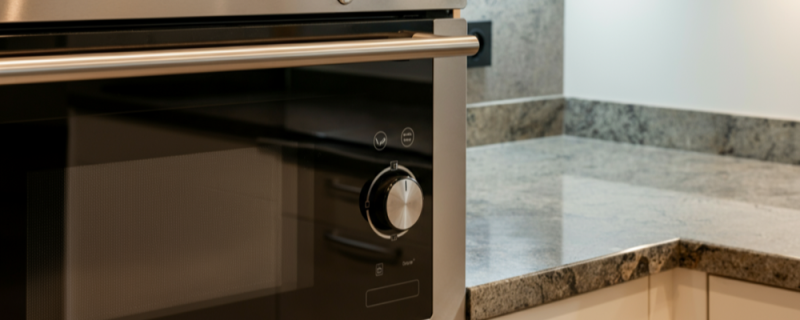

At the exposure levels that leak from properly functioning microwave ovens, the risk of harm is considered low by regulatory standards. However, the science on radiation from microwave ovens is more nuanced than simple “safe” or “dangerous” labels suggest.
Of 259 peer-reviewed studies on microwave radiation, 81% found some form of biological effect. The precautionary approach of standing a few feet away while your microwave runs reduces exposure by over 99% and costs you nothing.
The practical takeaway is that while occasional microwave use isn’t a significant concern, minimizing unnecessary exposure makes sense. Standing a few feet away while your microwave runs reduces your exposure by over 99% and costs you nothing.
Medical Disclaimer: This article is for informational purposes only. It is not, nor is it intended to be, a substitute for professional medical advice, diagnosis, or treatment and should never be relied upon for specific medical advice.
Key Takeaways
- Regulatory agencies consider microwave ovens safe when they meet leakage standards (5 mW/cm² at 5 cm)
- Research shows 81% of microwave radiation studies found biological effects, though many involve direct exposure above household levels
- Thermal effects are well-established: high-power microwaves can heat tissue and cause burns
- Non-thermal effects remain debated; some research suggests effects on cells even below heating thresholds
- The precautionary approach, minimizing exposure through distance and limiting use, is reasonable given ongoing research
Understanding the Question
When people ask whether microwave radiation is harmful, they usually mean one of two things: Is it dangerous to stand near my microwave? Or is the radiation fundamentally harmful to human health?
For a broader overview of microwave oven safety, including how they work and practical usage tips, see our complete microwave radiation guide.
The answer depends on several factors: exposure level, duration, frequency, and individual sensitivity. Let’s examine what the science actually shows.
What Regulators Say
The FDA, Health Canada, and similar agencies worldwide consider microwave ovens safe for consumer use when they comply with leakage standards.
In the United States, the FDA limits microwave leakage to 5 milliwatts per square centimeter (mW/cm²) at a distance of 5 centimeters from any oven surface. This limit was established based on thermal effects: the level at which radiation might heat human tissue.
Most new microwave ovens emit far less than this limit, typically 0.1 to 0.5 mW/cm² at the testing distance. At typical standing distances of 2-3 feet, exposure drops to negligible levels.
From the regulatory perspective, if your microwave meets these standards and you use it normally, it’s considered safe.
What the Research Shows
The regulatory view focuses primarily on thermal effects. But research on microwave frequency radiation extends beyond simple heating.
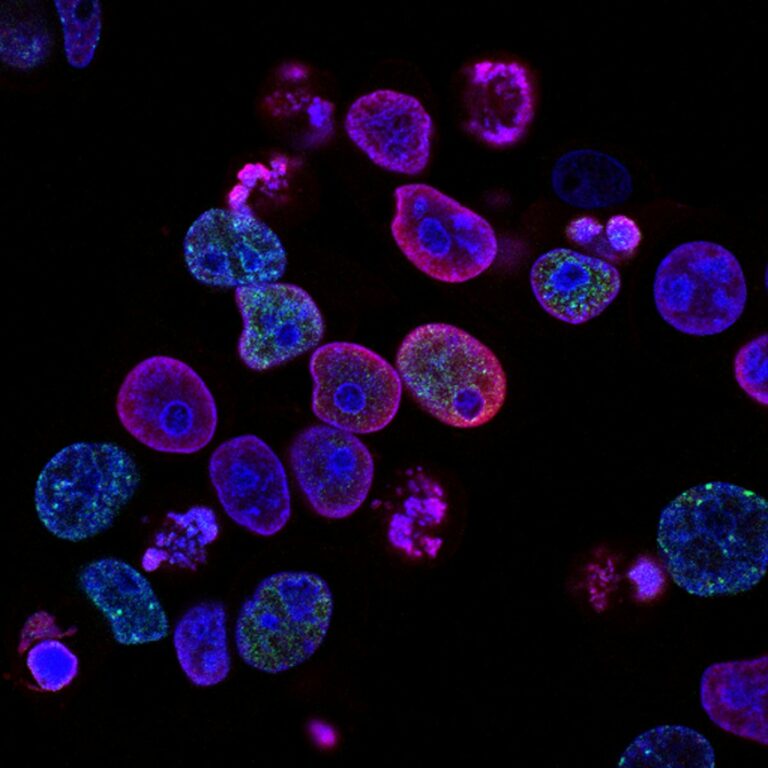
The SYB Research Hub catalogs 259 peer-reviewed studies examining microwave frequency radiation. Of these, 81% found some form of biological effect.
It’s important to understand what this means and doesn’t mean:
- These studies examine microwave-frequency radiation broadly, not specifically microwave oven leakage
- Many involve direct exposure at levels higher than household microwave leakage
- “Biological effect” doesn’t automatically mean harmful effect
- Some effects may be transient and not clinically significant
That said, the research suggests microwave radiation can interact with biological systems in ways beyond simple heating. Let’s look at both categories of effects.
Thermal Effects: The Clear Dangers
The thermal effect of microwave radiation is well understood and not controversial.
When microwave radiation is absorbed by tissue, it causes water molecules to vibrate, generating heat. At sufficient power levels, this heating can damage tissue. This is the same principle that cooks your food.
High-power microwave exposure can cause:
- Burns – Surface and deep tissue thermal injury
- Cataracts – The lens of the eye is particularly susceptible due to limited blood flow for cooling
- Tissue damage – Any tissue with high water content can be affected
The FDA’s leakage limits are designed to prevent thermal harm. At the permitted levels (5 mW/cm² at 5 cm), and especially at typical actual levels and distances, there isn’t enough energy to heat your tissue meaningfully.

This is why standing next to a microwave for a minute or two isn’t comparable to putting your hand inside one. The energy levels are orders of magnitude different.
Non-Thermal Effects: The Ongoing Debate
More controversial is the question of whether microwave radiation can affect biological systems without heating them.
Some research suggests effects including:
| Effect Type | Research Finding | Significance |
|---|---|---|
| Cellular stress | Increased oxidative stress markers | Debated; may be transient |
| Calcium signaling | Altered calcium ion flow in cells | Potential mechanism for other effects |
| Blood-brain barrier | Increased permeability in animal studies | Clinical relevance unclear |
| Melatonin | Possible effects on sleep hormone | More research needed |
| DNA effects | Mixed findings, mostly at higher exposures | Not established at household levels |
The scientific community remains divided on the significance of these findings. Some researchers argue they represent real biological concerns; others maintain the effects are either not reproducible, not clinically significant, or only occur at exposure levels far above what household microwaves produce.
What we can say is that the debate continues, and absolute certainty in either direction would be premature.
The Cancer Question
Do microwaves cause cancer? This is probably the most common concern.
The International Agency for Research on Cancer (IARC) classifies RF radiation as “possibly carcinogenic to humans” (Group 2B). This classification applies to RF radiation broadly, including cell phones, not specifically to microwave ovens.
Group 2B means there is limited evidence of carcinogenicity in humans and insufficient evidence in experimental animals. It’s the same category as pickled vegetables and aloe vera extract. It indicates the possibility of a link based on some evidence, not a definitive causal relationship.
For microwave ovens specifically:
- No studies have established a direct link between microwave oven use and cancer
- The exposure levels from oven leakage are far below those studied in RF-cancer research
- The duration of exposure (minutes per day at most) is brief compared to constant cell phone use
The absence of evidence isn’t proof of safety, but it does mean there’s no scientific basis for claiming microwave ovens cause cancer.
Who Might Be More Vulnerable?
While most healthy adults can tolerate normal microwave oven exposure without apparent issues, some populations may warrant extra caution:
Pacemaker users: Older pacemakers could potentially be affected by electromagnetic interference. Modern pacemakers are better shielded, but if you have an implanted medical device, following your doctor’s guidance about appliance use is wise.
Pregnant women: While no specific risks from microwave oven use during pregnancy have been established, the developing fetus is generally more sensitive to environmental exposures. Maintaining distance is a simple precaution.
Children: Children’s developing bodies may be more susceptible to various environmental factors. They also tend to stand closer to appliances at eye level. Keeping them back from the microwave during operation is prudent.
People with electromagnetic hypersensitivity (EHS): Some individuals report symptoms they attribute to EMF radiation exposure. While the mechanism isn’t scientifically established, if you experience symptoms near electronic devices, reducing exposure makes sense for your quality of life.
The Damaged Microwave Concern
The discussion so far assumes a properly functioning microwave. The situation changes if your microwave is damaged.
Signs of potential problems:
- Door doesn’t close or seal properly
- Visible damage to door seal or hinges
- Rust or corrosion around the door frame
- The microwave operates with the door ajar
- Unusual sounds or smells during operation
A damaged microwave can leak significantly more radiation than intended. If you notice any of these issues, stop using the unit and either have it repaired or replace it.
A Measured Perspective
Let’s put microwave oven exposure in context:
Your cell phone, which you may carry against your body for hours daily, typically produces more RF exposure than standing near a microwave for 3 minutes while heating lunch. Your WiFi router runs 24/7. Smart meters, Bluetooth devices, and countless other sources contribute to your total RF exposure.
This doesn’t mean microwave exposure is zero concern, but it suggests where your efforts might be most effective. Reducing exposure from devices you use constantly and carry on your body likely matters more than worrying about occasional microwave use.

That said, every bit of reduction helps, and reducing microwave exposure is easy: just step back a few feet.
Practical Recommendations
Based on the current state of research and understanding of safe EMF levels for humans, here are reasonable steps:
- Use distance – Stand 3+ feet away while the microwave runs
- Minimize duration – Heat food efficiently; don’t use the microwave as a timer
- Maintain your unit – Inspect door seals; replace damaged units
- Protect vulnerable populations – Keep children and pregnant women at greater distance
- Consider total exposure – Address higher-exposure sources (phones, routers) alongside microwave use
For detailed practical guidance, see our article on microwave oven safety tips.
Common Misconceptions
Misconception: Microwave ovens make food radioactive
Reality: Microwave ovens use non-ionizing radiationNon-ionizing radiation is electromagnetic energy that lacks sufficient power to remove electrons from atoms. This includes radio waves, microwaves, infrared, visible light, and lower-energy ultraviolet. The EMF from cell phones,... that causes water molecules to vibrate, generating heat. This process cannot alter the molecular structure of food or make it radioactive. The radiation stops completely the moment you turn off the oven, leaving no residual energy in your food.
Misconception: Standing near a microwave is as dangerous as being inside one
Reality: The energy levels are orders of magnitude different. A microwave oven operates at roughly 1,000 watts inside the cooking chamber, but leakage at 5 cm is limited to 5 mW/cm² by FDA standards. At a typical standing distance of 2-3 feet, exposure drops to negligible levels far below any threshold associated with tissue heating.
Misconception: Newer microwaves are less safe than older models
Reality: Modern microwaves generally leak less radiation than older models, not more. Manufacturing standards have improved, door seals are better engineered, and safety interlock systems are more reliable. If anything, older microwaves with worn seals and degraded door gaskets pose a greater leakage risk than new units.
The Bottom Line
Is microwave radiation harmful? The honest answer is: at typical household exposure levels, probably not significantly. Regulatory standards exist for a reason, and compliant microwave ovens operating normally produce minimal leakage.
But “probably not significantly harmful” isn’t the same as “proven safe.” Research continues, and 81% of studies finding biological effects suggests there’s more to understand.
The precautionary approach makes sense: minimize unnecessary exposure through simple actions like maintaining distance. This costs nothing, requires no lifestyle change, and aligns with how scientists who study this field often behave themselves.
You don’t need to throw out your microwave. You don’t need to fear heating your lunch. But understanding that some questions remain open helps you make informed choices about how you use this appliance.
Frequently Asked Questions
Regulatory agencies consider it safe when microwaves meet leakage standards. Standing a few feet away while it operates can reduce your exposure by over 99%.
No studies have established a direct link between microwave oven use and cancer. The exposure levels from oven leakage are far below those studied in RF-cancer research.
Research shows that 81% of studies found some biological effects, but many involve higher exposure levels than typical household use. The significance of these effects remains debated.
Populations such as pacemaker users, pregnant women, children, and those with electromagnetic hypersensitivity may warrant extra caution due to potential sensitivity.
If your microwave shows signs of damage, such as a door that doesn't seal properly or unusual sounds, stop using it immediately and have it repaired or replaced.