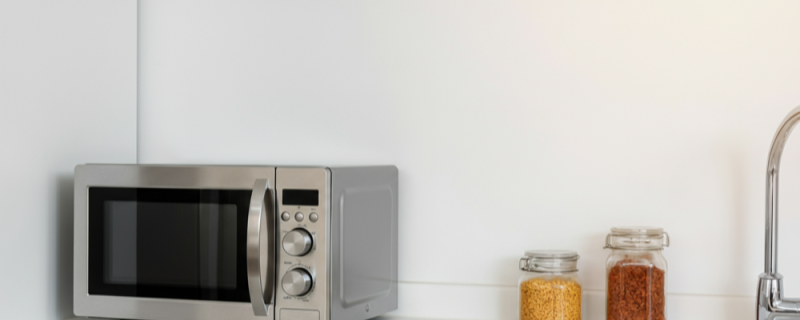

Microwave oven safety focuses on two key principles: minimizing radiation exposure and ensuring your unit functions properly. The most effective step is simply standing 3 feet away while the microwave runs, which reduces exposure by over 99%.
Regular inspection of door seals, proper maintenance, and knowing when to replace an aging unit complete the picture for keeping your microwave radiation exposure as low as possible.
The good news is that microwave safety requires no special equipment or lifestyle changes. Seven simple practices, from maintaining distance to knowing when to replace an old unit, keep your exposure minimal while you continue enjoying the convenience of microwave cooking.
Medical Disclaimer: This article is for informational purposes only. It is not, nor is it intended to be, a substitute for professional medical advice, diagnosis, or treatment and should never be relied upon for specific medical advice.
Key Takeaways
- Standing 3 feet away during operation reduces radiation exposure by over 99% compared to standing right next to the door
- Door seals are the primary source of radiation leakage; inspect them monthly for damage, debris, or wear
- Microwaves over 10 years old may have degraded shielding and should be evaluated for replacement
- Never operate a microwave with a damaged door, faulty latch, or visible rust around the door frame
- An EMF meter can verify your microwave is within FDA limits (5 mW/cm² at 5 cm distance)
Why Microwave Safety Matters
Every microwave oven emits some amount of radiation leakage. This is normal and regulated. But simple practices can reduce your exposure from already-low levels to virtually zero.
For a comprehensive overview of how microwaves work and the science behind their radiation, see our complete microwave radiation guide.
The seven tips below are ordered by impact, starting with the most effective and easiest to implement.
7 Microwave Safety Tips
1. Maintain Distance During Operation
Distance is your most powerful tool for reducing microwave radiation exposure.
Radiation intensity follows the inverse square law: double your distance, and exposure drops to one-quarter. Here’s what that looks like in practice:
| Distance | Relative Exposure |
|---|---|
| 2 inches (pressing against door) | 100% |
| 1 foot | 2.8% |
| 3 feet | 0.3% |
| 6 feet | 0.08% |
Simply stepping back from 2 inches to 3 feet reduces your exposure by over 99%. This single change is more effective than any other measure.
Practical application:
- Start the microwave and step away
- Don’t watch food through the door; use the timer
- Keep children out of the kitchen or at least 4-5 feet away during operation
- Avoid positioning breakfast bars or desks directly adjacent to the microwave
2. Inspect the Door Seal Monthly
The door seal is where most leakage occurs. A compromised seal can increase radiation output significantly.
What to look for:
- Cracks or tears in the rubber gasket
- Gaps between the seal and the door frame
- Food debris or buildup in the seal
- Warping or deformation
- Hardening of the rubber (it should be pliable)
Monthly inspection steps:
- Open the microwave door fully
- Run your finger around the entire seal perimeter
- Look for visible damage or gaps
- Check that the seal sits flush against the frame when closed
- Ensure the door latches firmly without forcing
If you find damage, have the seal replaced or replace the unit.
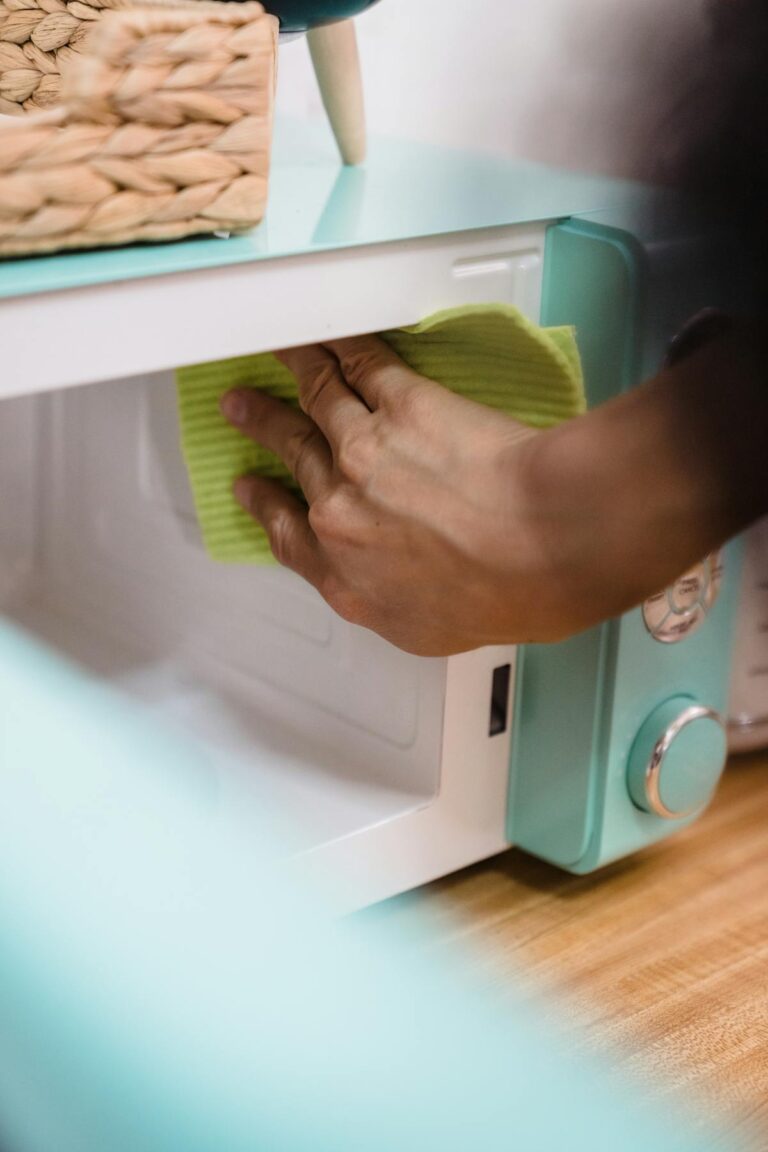
3. Keep the Door Area Clean
Food splatters and debris can prevent proper door closure and degrade the seal over time.
Cleaning best practices:
- Wipe the interior door surface weekly
- Clean around the seal with a damp cloth
- Remove any hardened food from the seal groove
- Clean the door frame where the seal makes contact
- Never use abrasive cleaners that could damage the seal
A clean microwave isn’t just more hygienic; it functions safely longer.
4. Close the Door Properly Every Time
This sounds obvious, but improper closure is a common issue.
Ensure proper closure by:
- Pushing the door until you hear it latch
- Not slamming the door (can damage hinges and seals)
- Checking that the door sits flush with the frame
- Verifying the safety light turns off when the door is closed
If the door requires extra force to close, or if it doesn’t stay closed, stop using the microwave until it’s repaired.
5. Never Operate a Damaged Microwave
Stop using your microwave immediately if you notice:
- Door doesn’t close completely
- Latching mechanism is broken or sticky
- Visible rust or corrosion around the door frame
- Cracks in the door or viewing window
- Sparking or arcing during operation
- Unusual sounds (grinding, humming, buzzing)
- Burning smell while running
A damaged microwave isn’t just a radiation concern; it’s also a fire and electrical hazard. Replace the unit or have it professionally serviced.
6. Test for Leakage Periodically
If you want to verify your microwave’s safety, you can test it with an RF EMFEMF stands for electromagnetic field (also called electromagnetic frequency or electromagnetic force). EMFs are invisible fields of energy produced by electrically charged objects. They exist on a spectrum ranging from... meter.
Testing procedure:
- Place a microwave-safe cup of water inside (never run empty)
- Start the microwave on high power
- Hold the meter 5 cm (2 inches) from the door surface
- Slowly move around the entire door perimeter
- Pay special attention to corners and the latch area
- Compare readings to the FDA limit: 5 mW/cm²
You’ll need a meter capable of measuring the 2.4-2.5 GHz frequency range. Our EMF meters collection includes suitable options.
When to test:
- After purchasing a new microwave (baseline)
- Annually for microwaves under 5 years old
- Every 6 months for older units
- After any incident that might have damaged the door
7. Know When to Replace
Microwave ovens don’t last forever. Consider replacement if:
Age factors:
- Unit is over 10 years old
- You don’t know the age (purchased secondhand)
- The manufacturer no longer supports the model
Performance issues:
- Food heats unevenly
- Cooking times have increased
- The turntable doesn’t rotate smoothly
- Controls are unresponsive or erratic
Physical condition:
- Door seal is damaged beyond repair
- Rust is visible anywhere on the unit
- Interior coating is peeling or damaged
- Repeated door closure problems
A well-maintained microwave can last 10+ years, but component degradation is inevitable. When in doubt, the cost of a new microwave is modest compared to ongoing concerns about an aging unit.

What About Alternatives to Microwaving?
If you prefer to reduce microwave use altogether, consider these alternatives:
| Task | Alternative Method |
|---|---|
| Reheating leftovers | Stovetop, oven, or toaster oven |
| Defrosting | Refrigerator thaw (plan ahead) |
| Heating beverages | Electric kettle or stovetop |
| Steaming vegetables | Stovetop steamer basket |
| Cooking frozen meals | Conventional oven (longer but often better texture) |
These methods eliminate microwave radiation exposure entirely, though they typically take longer. For most people, safe microwave use is more practical than avoiding microwaves altogether.
Safety Summary Checklist
Use this quick checklist to assess your microwave safety:
- I stand at least 3 feet away during operation
- I inspect the door seal monthly
- The door area is clean and free of debris
- The door closes and latches properly
- There’s no visible damage to the door, seal, or frame
- The microwave is less than 10 years old (or has been tested)
- I’ve tested with an EMF meter (optional but recommended for peace of mind)
Common Misconceptions
Misconception: Microwaved food becomes radioactive
Reality: Microwave ovens use non-ionizing radiationNon-ionizing radiation is electromagnetic energy that lacks sufficient power to remove electrons from atoms. This includes radio waves, microwaves, infrared, visible light, and lower-energy ultraviolet. The EMF from cell phones,... to heat water molecules in food. The food absorbs this energy as heat, not radiation. Once the microwave stops, there is no residual radiation in the food.
Misconception: Standing near a microwave is just as dangerous as holding a cell phone to your head
Reality: Microwave radiation follows the inverse square law. At just 3 feet away, exposure drops to 0.3% of what it would be pressed against the door. Brief microwave sessions at proper distance produce far less cumulative exposure than hours of cell phone use.
Misconception: If your microwave passes the FDA limit, it is completely harmless
Reality: The FDA limit of 5 mW/cm² at 5 cm applies to new units. Door seals degrade over time, and older microwaves may leak more radiation than when they were new. Regular inspection and timely replacement keep exposure minimal.
The Bottom Line
Microwave oven safety doesn’t require major lifestyle changes. The seven tips above, especially maintaining distance and keeping the door seal intact, address the primary exposure pathways.
Your microwave is likely one of the lower-concern EMF sources in your home, especially if you use it briefly and stand back during operation. But implementing these practices ensures you’re taking reasonable precautions with minimal effort.
The goal isn’t fear of your kitchen appliances. It’s informed, practical action that keeps your exposure low while you continue enjoying the convenience that microwave cooking provides.
Frequently Asked Questions
Standing at least 3 feet away from the microwave during operation reduces radiation exposure by over 99%.
You should inspect the door seal for cracks, gaps, or food debris, as these can increase radiation leakage.
Consider replacing your microwave if it is over 10 years old, shows signs of damage, or has performance issues like uneven heating.
If the door doesn't close completely or requires extra force, stop using the microwave until it is repaired to avoid safety hazards.
You can test for leakage using an RF EMF meter by placing it 5 cm from the door while the microwave is running and checking the readings against FDA limits.