

Specific Absorption Rate (SAR) measures how much radiofrequencyRadiofrequency (RF) refers to electromagnetic waves in the frequency range of approximately 3 kHz to 300 GHz. This portion of the electromagnetic spectrum is used for wireless communication. RF energy... energy from wireless devices your body absorbs, expressed in watts per kilogram (W/kg). The FCC sets the legal limit at 1.6 W/kg, while most other countries use 2.0 W/kg.
However, SAR has fundamental problems. Testing uses a mannequin representing only the largest 3% of adults, manufacturers test their own products, and lab conditions don’t match how you actually use your phone. Understanding these limitations is the first step toward real protection.
Medical Disclaimer: This article is for informational purposes only. It is not, nor is it intended to be, a substitute for professional medical advice, diagnosis, or treatment and should never be relied upon for specific medical advice.
Key Takeaways
- SAR measures radiation absorption in watts per kilogram (W/kg), with U.S. limits at 1.6 W/kg and international limits at 2.0 W/kg
- SAR testing uses a mannequin called SAM that’s bigger than 97% of the population, meaning most people absorb more radiation than test results suggest
- Manufacturers test their own phones and set the testing conditions, creating an obvious conflict of interest
- SAR only measures a single point of maximum exposure under lab conditions. It tells you nothing about cumulative or real-world exposure
- Lower SAR doesn’t automatically mean safer: your actual exposure depends on how you use your device, not just its rating
What is Specific Absorption Rate (SAR)?
Specific Absorption Rate is the measurement used to gauge how much radiofrequency (RF) energy is absorbed by the human body from wireless devices. SAR is expressed in watts per kilogram (W/kg), indicating the rate at which energy is absorbed per unit of body mass.
When you use a cell phone and radiation, WiFi router, or any wireless device, it emits RF radiation. Some of this radiation passes through your body, and some gets absorbed. SAR attempts to quantify that absorption.
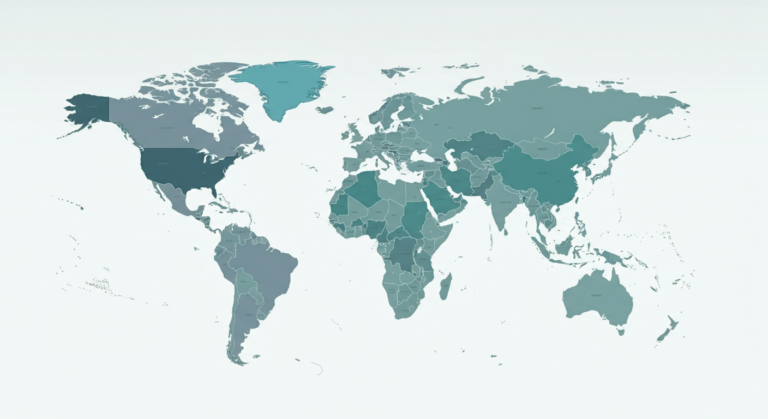
The FCC mandates that every cell phone sold in the United States must have its SAR determined under specific laboratory conditions. The legal limit is 1.6 W/kg averaged over 1 gram of tissue. In Europe and most other countries, the limit is 2.0 W/kg averaged over 10 grams of tissue.
In theory, SAR provides a standardized way to compare radiation exposure across devices. In practice, as we’ll explore, SAR suffers from structural problems that make it unreliable as a measure of real-world safety.
How SAR is Measured and Calculated
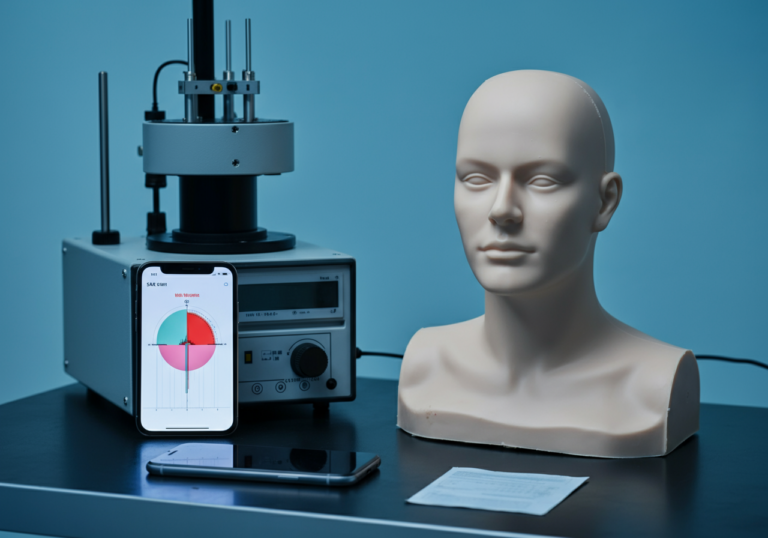
To establish a phone’s SAR value, manufacturers place the device next to a model of the human head or body filled with liquid that simulates human tissue. The phone transmits at maximum power while sensors measure the radiation absorbed at multiple points.
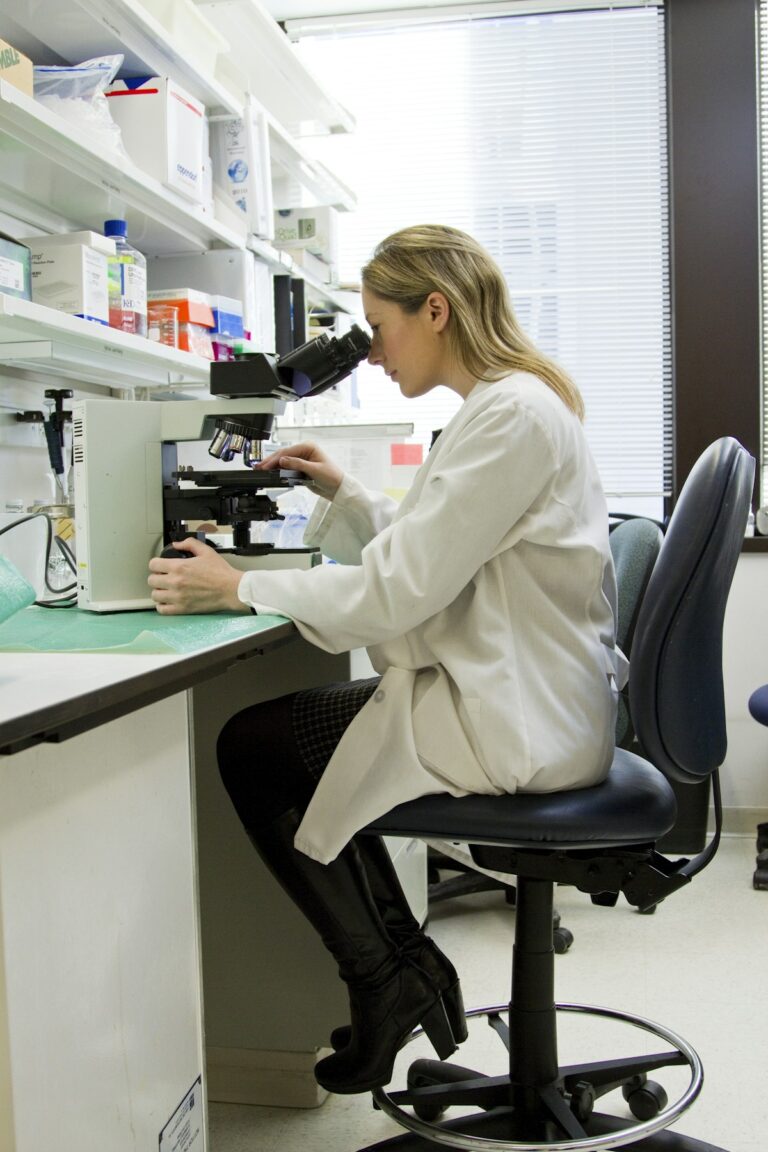
The highest measured value becomes the phone’s official SAR rating. This rating reflects the maximum radiation absorbed at a single point during laboratory testing.
Here’s what the test setup looks like:
| Test Element | What’s Used | Limitation |
|---|---|---|
| Human model | SAM (Specific Anthropomorphic Mannequin) | Based on a 6’2″, 220 lb male, larger than 97% of the population |
| Test liquid | Fluid simulating average adult tissue | Doesn’t account for children’s thinner skulls or different tissue density |
| Phone position | Fixed distances (e.g., 5mm from head) | Real usage varies constantly |
| Power level | Maximum transmission power | Phones rarely operate at full power |
| Who tests | The manufacturer | No independent verification required |
The result is a number that represents a best-case scenario under artificial conditions, not your actual daily exposure.
SAR Limits and Regulatory Standards Worldwide
Different countries have adopted different SAR limits, though none are based on research showing these specific levels are safe from non-thermal effects.

| Region | SAR Limit | Averaging Mass | Notes |
|---|---|---|---|
| United States (FCC) | 1.6 W/kg | 1 gram | Set in 1996, never updated |
| European Union | 2.0 W/kg | 10 grams | Appears more permissive but uses larger averaging area |
| China | 2.0 W/kg | 10 grams | Follows ICNIRP guidelines |
| India | 1.6 W/kg | 1 gram | Adopted FCC standard |
| Australia | 2.0 W/kg | 10 grams | Follows ICNIRP guidelines |
The FCC’s 1.6 W/kg limit was established in 1996 and has not been updated since, despite dramatic changes in how we use wireless technology. Back then, average cell phone use was around 17-23 minutes per week. Today, many people use their phones for hours daily.
These limits are designed solely to prevent tissue heating. They provide no protection against the non-thermal biological effects documented in thousands of peer-reviewed studies.
How to Find Your Device’s SAR Rating
Finding your phone’s SAR value takes just a few steps:
-
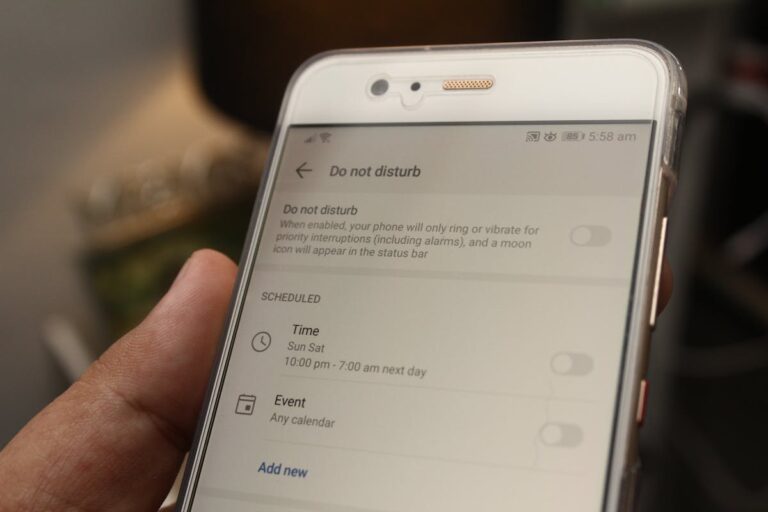
Check your phone settings. On iPhone, go to Settings > General > Legal & Regulatory. On Android, go to Settings > About Phone > Legal Information > RF Exposure.
-
Visit the FCC database. Go to fcc.gov/oet/ea/fccid, enter your phone’s FCC ID (found on the device or packaging), and view the SAR test report.
-
Check the manufacturer’s website. Apple, Samsung, Google, and other manufacturers publish SAR values for all devices in their legal documentation.
-
Use a SAR database. Websites like PhoneArena and GSMArena compile SAR values for easy comparison across models.
Keep in mind: the SAR value you find represents laboratory conditions. Your actual exposure will differ based on signal strength, how you hold your phone, and how long you use it.
Research: Documented Effects at Every SAR Level
The most important thing to understand about SAR is this: peer-reviewed research documents biological effects at SAR levels far below the FCC’s 1.6 W/kg limit. These aren’t fringe findings; they’re published in major scientific journals with hundreds of citations.
Here’s what the science shows, organized from the lowest SAR levels upward:
Effects at Extremely Low SAR (0.00012 – 0.016 W/kg)
These studies found effects at SAR levels thousands of times below the FCC limit:
- SAR 0.00012 W/kg — Blood-brain barrier damage + nerve cell death: A 2008 study (124 citations) found blood-brain barrier permeability increased and nerve cells were damaged at a SAR level that is 13,000 times below the FCC limit
- SAR 0.0006 W/kg — Cognitive impairment: Research published in 2008 (150 citations) documented cognitive impairment in rats at a SAR level 2,600 times below the FCC limit
- SAR 0.015 W/kg — Protein structure changes: A landmark 2003 study (212 citations) proved that microwave radiation altered protein structure through a non-thermal mechanism, at 100 times below the FCC limit
- SAR 0.016 W/kg — Blood-brain barrier permeability: Research from 1994 (240 citations) showed the blood-brain barrier became more permeable at 100 times below safety limits, meaning substances that shouldn’t enter the brain were getting through
Effects at Phone-Level SAR (1.0 – 1.6 W/kg)
These studies found effects at SAR levels comparable to what your phone produces, levels the FCC considers “safe”:
- SAR 1.0 W/kg — Sleep disruption: A 1999 study (287 citations) found that pulsed high-frequency EMFEMF stands for electromagnetic field (also called electromagnetic frequency or electromagnetic force). EMFs are invisible fields of energy produced by electrically charged objects. They exist on a spectrum ranging from... at phone-level SAR altered brain activity during sleep, changing sleep architecture
- SAR 1.2 W/kg — DNA strand breaks: The landmark 1996 Lai-Singh study (503 citations), the most-cited study on this topic, found both single- and double-strand DNA breaks in brain cells after just 2 hours of RF exposure at SAR 1.2 W/kg, which is below the FCC limit
- SAR 1.6 W/kg — Brain temperature increase: A 1999 study (257 citations) calculated that RF exposure at exactly the FCC limit raises brain temperature, the very thermal effect SAR is supposed to prevent
SAR Distribution and Vulnerable Populations
- SAR varies dramatically by brain region: A 1994 study (311 citations) tested SAR distribution in the human head from cell phones and found absorption ranging from 2.1 to 4.7 W/kg, meaning some brain areas absorb nearly 3 times the FCC limit during normal phone use
- Children absorb more radiation: Research from 1998 (193 citations) demonstrated that children’s thinner skulls and higher tissue water content result in significantly greater RF energy absorption than adults
- 110 phones tested — huge variation: A 2008 study (193 citations) tested 110 phone models and found that RF energy concentrates in specific brain areas rather than distributing evenly, meaning the single-point SAR measurement misses where the real exposure occurs
The pattern is clear: biological effects occur at every SAR level researchers have tested, including levels thousands of times below what regulators consider safe. This is why SAR alone is an inadequate measure of risk, and why practical steps to reduce your exposure matter regardless of your phone’s SAR rating.
Real-World SAR vs. Laboratory Testing: The Critical Gap
The gap between SAR test conditions and real-world usage is substantial. Understanding this gap is essential for making informed decisions about your exposure.
The SAM problem. SAR testing uses a mannequin called SAM (Specific Anthropomorphic Mannequin) based on a man who is 6’2″ and 220 pounds. This represents the largest 3% of the adult male population. What this means: 97% of adults, and virtually all children, will absorb more radiation than SAM does under identical conditions.
The distance problem. Manufacturers can choose the distance between the phone and the test model. Apple, for example, has tested iPhones at distances ranging from 5mm to 25mm from the body. If you hold your phone directly against your head or carry it in your pocket with no gap, your exposure is higher than the reported SAR.
The power problem. SAR testing occurs at maximum transmission power. In real life, your phone constantly adjusts its power based on signal strength. When signal is weak (in an elevator, basement, or rural area), your phone works harder and emits more radiation.
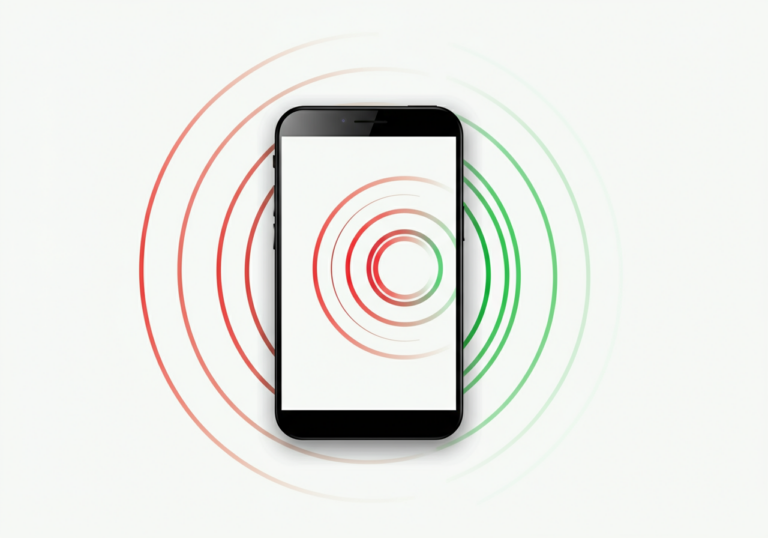
The single-point problem. SAR represents the highest absorption at one specific point. It tells you nothing about total body exposure or cumulative exposure over time.
Factors That Affect Your Actual SAR Exposure
Your real-world radiation exposure depends on multiple variables that SAR ratings don’t capture:
| Factor | Lower Exposure | Higher Exposure |
|---|---|---|
| Signal strength | Strong signal (fewer bars = lower power) | Weak signal (phone works harder) |
| Distance from body | Speaker mode, headset | Phone against head or in pocket |
| Duration | Short calls, text-based | Long voice calls, video streaming |
| Multiple devices | One device at a time | Multiple devices (phone + watch + earbuds) |
| Phone age | Newer phones (often better antennas) | Older phones (may use more power) |
| Location | Open outdoor areas | Enclosed metal spaces (cars, elevators) |
The most significant factor is distance. RF radiation exposure drops rapidly as you move away from the source. Even a few inches can make a substantial difference.
SAR Limitations: Why It’s Only Part of the EMF Story
SAR was designed for one purpose: preventing your tissue from heating up. That’s it. The entire regulatory framework assumes the only way RF radiation can harm you is by cooking you like a microwave oven.
This thermal-only approach ignores a substantial body of research showing biological effects at levels far below those that cause heating. Studies have documented:
- DNA damage in cells exposed to RF radiation at non-thermal levels
- Changes in brain activity and sleep patterns after cell phone use
- Reduced sperm count and motility in men who carry phones in their pockets
- Increased oxidative stress markers after RF exposure
More than 70% of independently funded studies find biological effects from RF radiation. SAR-based regulations provide no protection against these non-thermal effects.
Additionally, SAR ignores:
- Cumulative exposure: Using your phone for six hours daily for 30 years is treated the same as a single five-minute call
- Concurrent exposure: Your phone, WiFi router, smart watch, and Bluetooth earbuds are measured separately, never together
- Vulnerable populations: Children, pregnant women, and people with health conditions receive no additional protection
Beyond SAR: Comprehensive EMF Protection Strategies
Since SAR doesn’t capture your real exposure or protect against non-thermal effects, what can you do? Focus on three principles: minimize, distance, and shield.
Minimize Use
- Use text instead of voice calls when practical
- Turn off WiFi and Bluetooth when not actively needed
- Enable airplane mode when carrying your phone but not using wireless features
- Turn off your phone or put it in airplane mode while sleeping
- Avoid using your phone while it’s charging, since radiation levels increase during charging
Maximize Distance
- Use speakerphone or wired headphones for calls (not wireless earbuds)
- Don’t carry your phone in your pocket. Use a bag or keep it on a desk
- Keep your phone away from your body while streaming video or downloading large files
- Position WiFi routers away from bedrooms and high-use areas
Use Shielding
- EMF-shielding phone cases can reduce exposure when positioned correctly
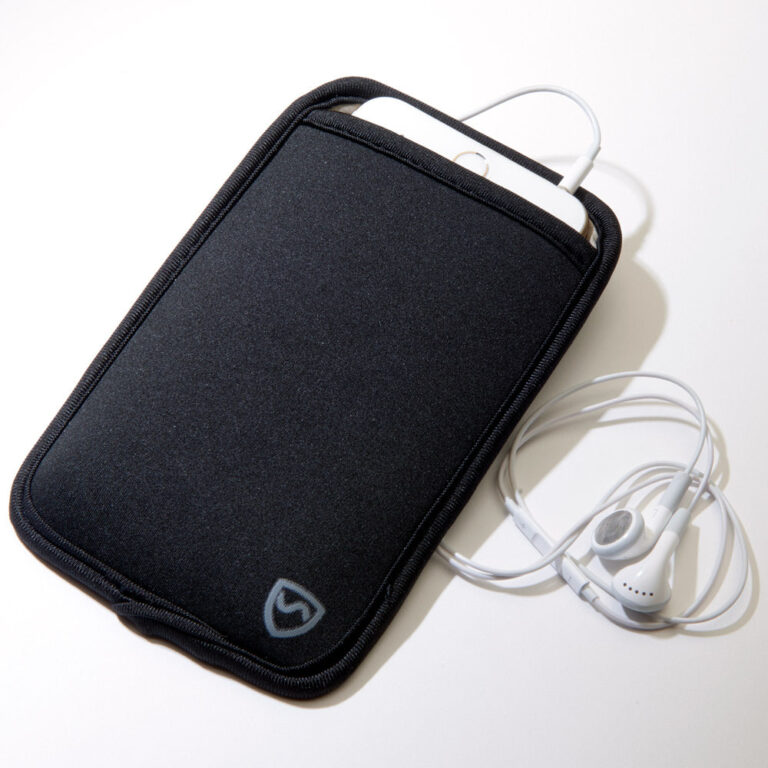
- Phone pouches with shielding material provide protection while carrying
- For the shielding to work, it must be between your body and the phone
The most effective approach combines all three. No single strategy provides complete protection, but together they can significantly reduce your daily exposure.
When it’s time for a new phone, consider models with low EMF phones. While SAR isn’t the whole picture, choosing a phone at the lower end of the spectrum gives you a better baseline before applying other protection strategies.
Related Guides
Understanding SAR is one piece of the EMF puzzle. Explore our other guides for practical protection strategies:
- EMF Protection Guide: the three strategies (minimize, distance, shield) for reducing your overall exposure
- Cell Phone Radiation Guide: how phones emit radiation and what you can do about it
- What Is a Faraday Bag?: complete signal blocking for when you want zero phone emissions
- Apple Watch and Cancer: SAR values and health concerns for wearable devices
- Air Tube Headphones Guide: reduce head exposure during calls
Common Misconceptions About SAR
Misconception: Lower SAR means a phone is safer. Reality: SAR only measures peak absorption under lab conditions. A phone with lower SAR might still expose you to more radiation if you use it more frequently, carry it closer to your body, or use it in weak signal areas.
Misconception: If a phone meets FCC limits, it’s safe. Reality: FCC limits were set in 1996 to prevent tissue heating only. They provide no protection against non-thermal biological effects documented in peer-reviewed research. Meeting the limit means the phone won’t cook you, and nothing more.
Misconception: SAR testing is done by independent laboratories. Reality: Manufacturers test their own phones and report the results. The FCC doesn’t independently verify these numbers. France’s testing of 379 phones found 89% exceeded their reported SAR values.
Misconception: SAR values reflect how you actually use your phone. Reality: SAR is measured at maximum power, at specific distances, on a mannequin larger than 97% of people. Your actual exposure varies constantly based on signal strength, distance, and duration.
Misconception: Children are protected by SAR limits. Reality: SAR testing uses an adult male model. Children have thinner skulls, smaller heads, and developing nervous systems. Studies show they absorb significantly more EMF radiation than adults.
Frequently Asked Questions
Specific Absorption Rate measures how much radiofrequency energy from a wireless device is absorbed by the body, expressed in watts per kilogram (W/kg). The FCC limit is 1.6 W/kg and the international limit is 2.0 W/kg. SAR testing uses a mannequin larger than 97% of the population, so most people absorb more radiation than test results suggest.
No SAR level has been proven safe from non-thermal biological effects. Peer-reviewed research documents effects at SAR levels as low as 0.00012 W/kg — 13,000 times below the FCC limit. Lower SAR is generally better, but how you use your device (distance, duration) matters more than the SAR number itself.
Manufacturers place a phone next to a liquid-filled mannequin (SAM) that represents a large adult male, transmit at maximum power, and measure RF energy absorption at multiple points. The highest reading becomes the official SAR value. The process has significant limitations: manufacturers test their own products, the mannequin is larger than 97% of people, and test conditions don't match real-world usage.
SAR limits were set in 1996 to prevent tissue heating only. They don't protect against non-thermal biological effects documented in peer-reviewed studies — including DNA damage, blood-brain barrier disruption, and cognitive impairment — all observed at SAR levels far below the regulatory limit. The FCC limit has never been updated despite dramatic changes in how we use wireless devices.
Not necessarily. SAR only measures peak absorption under lab conditions. Your actual exposure depends on signal strength (phones emit more radiation with weak signal), distance from your body, duration of use, and whether you're in an enclosed space. A low-SAR phone used against your head for hours may expose you to more radiation than a higher-SAR phone used on speakerphone.