

A TENS unit (Transcutaneous Electrical Nerve Stimulation) is a battery-powered device that sends mild electrical pulses through skin electrodes to relieve pain. It blocks pain signals traveling to your brain while triggering endorphin release.
TENS demonstrates therapeutic electromagnetic energy in action. Unlike wireless devices’ uncontrolled EMFEMF stands for electromagnetic field (also called electromagnetic frequency or electromagnetic force). EMFs are invisible fields of energy produced by electrically charged objects. They exist on a spectrum ranging from..., TENS uses specific frequencies at controlled intensities for brief sessions. The dose and context determine effects.
This content is for informational purposes only and is not a substitute for professional medical advice.
Key Takeaways
- TENS therapy is FDA-approved for chronic pain conditions including lower back pain, osteoarthritis, fibromyalgia, and diabetic neuropathy
- The device works through two mechanisms: blocking pain signals via the gate control theory and stimulating endorphin release
- TENS is non-invasive and non-pharmaceutical with few reported side effects when used correctly
- Most sessions last 15-30 minutes and can be repeated multiple times daily
- TENS is contraindicated for people with pacemakers, during pregnancy, and those with epilepsy
What Is TENS Therapy?
TENS stands for Transcutaneous Electrical Nerve Stimulation. A TENS unit is a compact, typically pocket-sized device that delivers low-voltage electrical currents through electrodes attached to your skin.
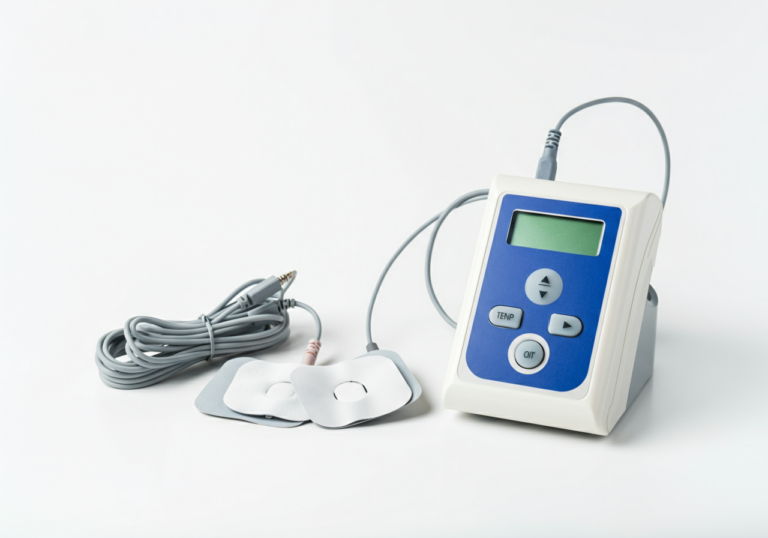
The purpose is pain management without drugs. When you turn on a TENS unit, you feel a tingling, buzzing, or gentle pulsing sensation. At the right settings, this should never be painful.
TENS therapy has been used since the 1970s and gained FDA approval for treating various pain conditions. Today, it’s used in physical therapy clinics, hospitals, and homes worldwide. What started as specialized medical equipment is now accessible as portable, consumer-friendly devices.
The science behind TENS isn’t speculative. As I note in my book Empowered, TENS is one of the most widely used and medically validated forms of EMF-based therapy. It demonstrates a fundamental truth: non-thermal levels of non-ionizing electromagnetic radiationElectromagnetic radiation (EMR) is energy that travels through space as waves of oscillating electric and magnetic fields. It includes everything from radio waves to visible light to gamma rays. All... can affect living tissue when properly applied.
How Does a TENS Unit Work?
TENS provides pain relief through two primary biological mechanisms.
The Gate Control Theory
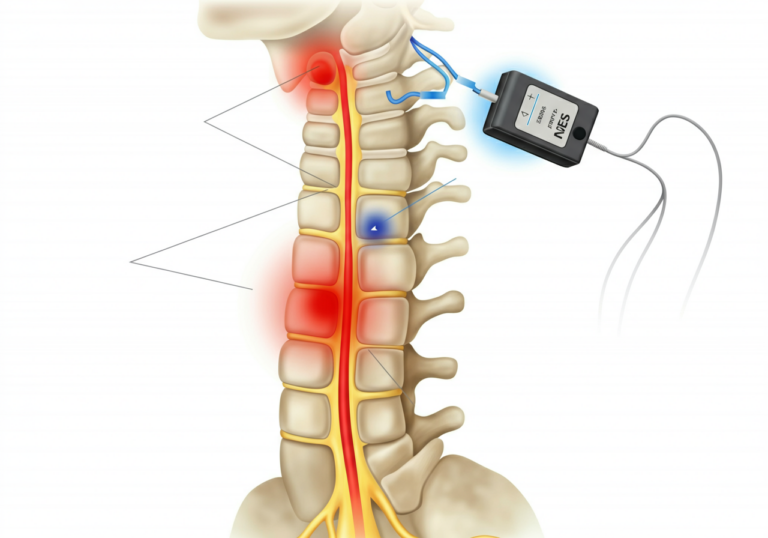
First proposed by researchers Melzack and Wall in 1965, the gate control theory explains how TENS blocks pain signals. Your nervous system has “gates” at the spinal cord level that control which signals reach your brain.
When TENS sends non-painful electrical impulses through your nerves, these signals travel faster than pain signals. They essentially “close the gate” on pain messages trying to reach your brain. The result: you feel the electrical stimulation instead of the pain.
Endorphin Release
The second mechanism involves your body’s natural painkillers. TENS stimulation triggers the release of endogenous opioids, including endorphins and enkephalins. These are the same chemicals your body produces during exercise that create feelings of well-being and naturally reduce pain perception.
| Mechanism | How It Works | Effect |
|---|---|---|
| Gate Control | Electrical signals compete with pain signals at spinal cord | Pain signals blocked from reaching brain |
| Endorphin Release | Stimulation triggers natural opioid production | Reduced pain perception, improved mood |
| Improved Circulation | Electrical current increases local blood flow | Reduced inflammation, faster healing |
TENS vs EMS: Key Differences
TENS and EMS are often confused because both use electrical stimulation. However, they serve different purposes.
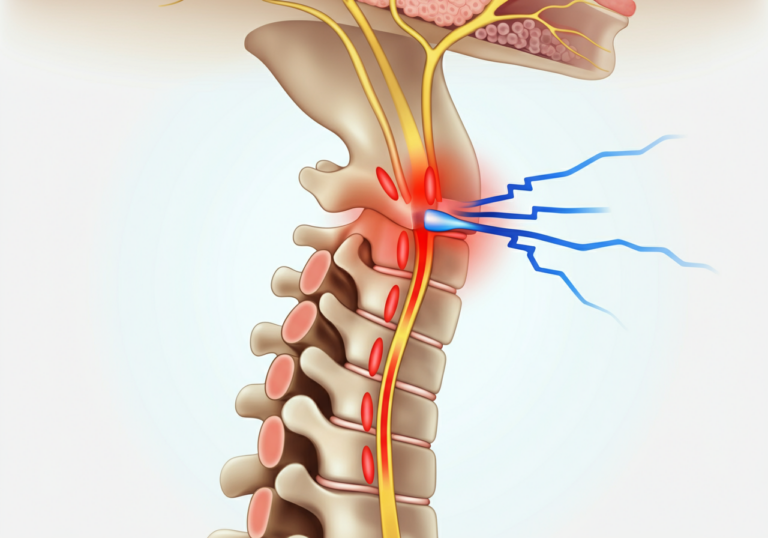
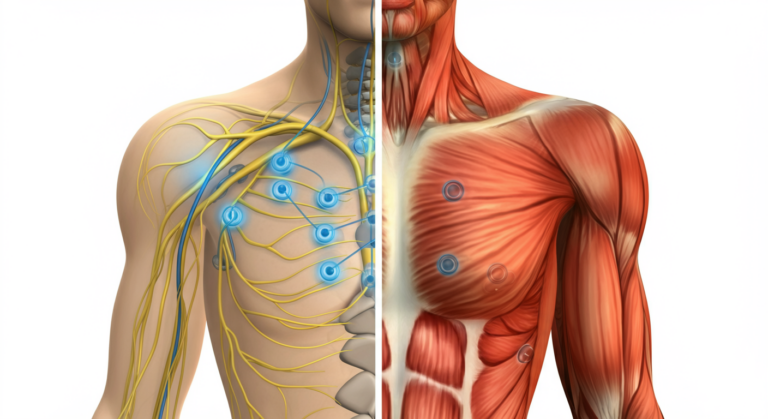
TENS (Transcutaneous Electrical Nerve Stimulation) targets sensory nerves to block pain signals. The goal is pain relief. You feel a tingling sensation, but your muscles don’t contract significantly.
EMS (Electrical Muscle Stimulation) targets motor nerves to cause muscle contractions. The goal is muscle strengthening, rehabilitation, or recovery. You see and feel your muscles actively contracting.
| Feature | TENS | EMS |
|---|---|---|
| Primary Target | Sensory nerves | Motor nerves |
| Purpose | Pain relief | Muscle activation |
| Sensation | Tingling, buzzing | Visible muscle contractions |
| Best For | Chronic pain, acute injury | Muscle building, rehabilitation |
| Typical Use | During or after activity | As part of training/rehab |
Many modern devices, including the iReliev units we carry, combine both TENS and EMS functions. This allows you to use pain relief during recovery while also supporting muscle rehabilitation.
Conditions TENS Can Help
The FDA has approved TENS therapy for treating various pain conditions. Research supports its effectiveness for:
Musculoskeletal Pain
- Chronic lower back pain
- Neck and shoulder pain
- Osteoarthritis (especially knee)
- Muscle strains and spasms
Nerve-Related Pain
- Diabetic neuropathy
- Sciatica
- Carpal tunnel syndrome
- Post-surgical pain
Other Conditions
- Fibromyalgia
- Period pain (dysmenorrhea)
- Sports injuries
- Tendinitis
A meta-analysis published in The Journal of Pain found that TENS significantly reduced pain intensity across multiple chronic conditions with few to no adverse effects. Another study in Neurology found TENS effective for relieving symptoms of fibromyalgia, a condition notoriously resistant to standard pharmaceuticals.
I’ve experienced TENS benefits firsthand. After developing referred pain from carpal tunnel syndrome that ran through my arm to my shoulder, I found that painkillers did nothing. At a friend’s suggestion, I tried a TENS device. The results were immediate: the pain diminished within the first session. It was one of the clearest demonstrations I’ve encountered of how controlled electromagnetic stimulation can affect the human body.
Benefits of TENS Therapy
Drug-Free Pain Relief
TENS offers an alternative to pain medications. This matters for people concerned about long-term pharmaceutical use or those who don’t respond well to traditional painkillers.
Non-Invasive
Unlike injections or surgery, TENS requires no needles, incisions, or recovery time. You simply apply electrodes to your skin.
Portable and Convenient
Modern TENS units are compact and battery-powered. You can use them at home, at work, or while traveling.
Few Side Effects
When used correctly, TENS has minimal side effects. Some people experience mild skin irritation from electrode pads, which is typically resolved by changing pad placement or using hypoallergenic electrodes.
User-Controlled
You control the intensity, frequency, and duration of treatment. This allows you to customize therapy to your specific needs and comfort level.
Cost-Effective
After the initial device purchase, TENS therapy has minimal ongoing costs. Replacement electrode pads are the main recurring expense.
Potential Side Effects and Safety Considerations
TENS is generally safe for most people. However, some precautions apply.
Who Should NOT Use TENS
| Condition | Why to Avoid |
|---|---|
| Pacemaker or implanted defibrillator | Electrical signals can interfere with device function |
| Pregnancy (first trimester or abdominal placement) | Effects on fetus not fully studied |
| Epilepsy | May lower seizure threshold in some individuals |
| Heart conditions | Consult physician before use |
| Active cancer (over tumor sites) | Potential effects on tumor cells unknown |
Placement Restrictions
Never place TENS electrodes:
- Directly over the heart
- On the front or sides of the neck (vagus nerve)
- On broken skin, wounds, or infections
- Over eyes or in the mouth
- On areas with reduced sensation
Possible Side Effects
Most side effects are mild and temporary:
- Skin irritation or redness under electrodes
- Muscle twitching at high intensities
- Mild discomfort if settings are too high
- Rare allergic reactions to electrode gel
A Note on Long-Term Use
While TENS is considered safe, some researchers have raised questions about extended electrical exposure. Dr. Samuel Milham has suggested that improper or prolonged use of therapeutic electrical currents could carry risks, particularly for vulnerable individuals. Until more research is available, moderation and medical guidance are advisable, especially for high-dose or frequent applications.
How to Use a TENS Unit
Using a TENS unit effectively requires proper setup and technique.
Step-by-Step Guide
-
Clean the skin. Wash and dry the area where you’ll place electrodes. Remove any lotions, oils, or sweat that could interfere with conductivity.
-
Position the electrodes. Place pads around (not directly on) the pain site. For most conditions, two or four electrodes work best. Ensure good skin contact.
-
Connect the leads. Attach the electrode wires to the TENS unit. Most devices have clearly marked channels.
-
Start at the lowest setting. Turn on the unit and begin with the lowest intensity. You should feel a gentle tingling but no pain.
-
Adjust intensity gradually. Increase the setting until you feel noticeable stimulation without discomfort. The sensation should be strong but comfortable.
-
Set your timer. Most sessions last 15-30 minutes. Some devices have automatic shutoffs.
-
Find the right frequency. Higher frequencies (80-120 Hz) work better for acute pain. Lower frequencies (2-10 Hz) may be more effective for chronic conditions.
Session Duration and Frequency
| Pain Type | Recommended Duration | Frequency |
|---|---|---|
| Acute pain | 15-20 minutes | As needed, up to several times daily |
| Chronic pain | 20-30 minutes | 2-3 times daily |
| Maintenance | 15 minutes | Once daily or as needed |
Choosing the Right TENS Device
Not all TENS units are created equal. Here’s what to consider when selecting a device.
Key Features to Look For
- Multiple channels: Allows you to treat larger areas or multiple pain sites
- Adjustable intensity: Gives you control over stimulation strength
- Preset programs: Pre-configured settings for different pain types
- Timer function: Automatic shutoff for convenience and safety
- Rechargeable battery: Reduces ongoing costs versus disposable batteries
- Combined TENS/EMS: Offers both pain relief and muscle stimulation options
TENS Unit Types
| Type | Best For | Price Range |
|---|---|---|
| Basic consumer units | Occasional use, single pain sites | $25-50 |
| Mid-range devices | Regular use, multiple conditions | $50-150 |
| Professional-grade units | Frequent use, comprehensive therapy | $150-300+ |
| Combined TENS/EMS | Pain relief plus muscle recovery | $100-250 |
The iReliev TENS + EMS devices we offer fall into the combined category, providing both pain management and muscle stimulation functions in portable, user-friendly designs.
The Science Perspective: Therapeutic EMF
TENS therapy illustrates an important principle that we at SYB often discuss: electromagnetic energy isn’t inherently good or bad. The effects depend entirely on the dose, frequency, and application.
TENS uses non-ionizing, non-thermal EMF to trigger biological activity in the nervous system. The same type of radiation that raises concerns when emitted uncontrolled from devices is used therapeutically because it can affect the body.
The difference matters:
| Therapeutic EMF (TENS) | Uncontrolled EMF (Wireless Devices) |
|---|---|
| Specific frequencies | Wide frequency range |
| Controlled intensity | Variable intensity |
| Brief, targeted sessions | Continuous, 24/7 exposure |
| Intentional biological effect | Unintended biological effects |
| User-controlled | Environmental exposure |
This doesn’t mean wireless EMF is safe because TENS is safe. It means the opposite: if EMF can produce beneficial effects when properly controlled, we should take seriously its potential to cause harm when exposure is chronic and unmanaged.
For those interested in understanding more about how electromagnetic fields affect the body, our guide to EMF radiation and health effects provides additional context.
Common Misconceptions
Misconception: TENS cures the underlying condition.
Reality: TENS manages pain symptoms but doesn’t address the root cause. It’s a tool for pain relief, not a cure for arthritis, nerve damage, or other conditions.
Misconception: Higher intensity means better results.
Reality: Effective TENS should feel strong but comfortable. Cranking up the intensity beyond comfort doesn’t improve outcomes and may cause muscle fatigue or skin irritation.
Misconception: TENS works immediately for everyone.
Reality: While some people feel relief within minutes, others need multiple sessions to experience benefits. It may take experimentation to find optimal settings.
Misconception: TENS is the same as “electronic muscle stimulation” devices sold for fitness.
Reality: TENS targets sensory nerves for pain relief. Fitness EMS devices target motor nerves for muscle activation. They have different purposes and parameters.
Misconception: You can use TENS anywhere on the body.
Reality: Certain areas are off-limits, including over the heart, on the throat, and over the eyes. Always follow placement guidelines.
Frequently Asked Questions
TENS is safe for most people when used as directed. The FDA has approved it for pain management. However, people with pacemakers, implanted defibrillators, or epilepsy should not use TENS without medical supervision. Pregnant women should avoid using it on the abdomen or lower back.
Most people can use TENS multiple times daily. Sessions typically last 15-30 minutes. There's no strict limit, but giving your skin breaks between sessions prevents irritation. For chronic pain, 2-3 sessions daily is common.
Research supports TENS effectiveness for many pain conditions. A meta-analysis in *The Journal of Pain* found significant pain reduction across chronic conditions. However, individual results vary. TENS works better for some people and conditions than others.
TENS (Transcutaneous Electrical Nerve Stimulation) targets sensory nerves to block pain signals. EMS (Electrical Muscle Stimulation) targets motor nerves to cause muscle contractions. TENS is for pain relief; EMS is for muscle strengthening and rehabilitation.
When used correctly at appropriate settings, TENS does not cause nerve damage. The electrical current levels are too low to harm nerves. However, using excessively high settings or placing electrodes improperly could theoretically cause problems, which is why following guidelines matters.
Electrode placement depends on your pain location. Generally, place pads around the painful area, not directly on it. For back pain, place electrodes on either side of the spine. For knee pain, place them around the knee joint. Your TENS device manual should include placement guides for common conditions.