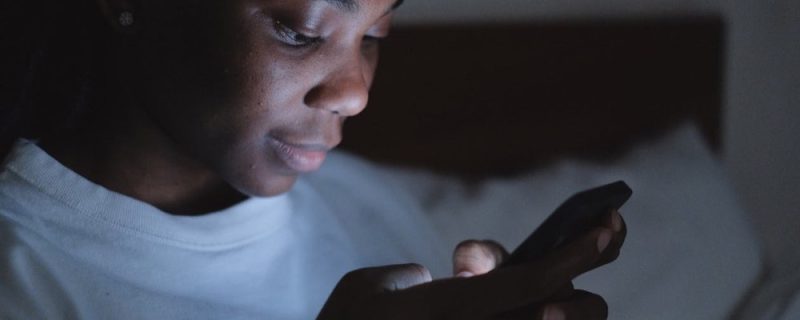

Blue light is a form of high-energy visible light with wavelengths between 380 and 500 nanometers. It comes from natural sources like the sun and artificial sources like smartphones, computer screens, LED lights, and televisions.
While daytime blue light exposure is beneficial for alertness and mood, artificial blue light at night suppresses melatonin production and disrupts your sleep. Managing your evening blue light exposure is one of the most practical steps you can take to protect your sleep quality.
Blue light is actually part of the electromagnetic spectrumThe electromagnetic spectrum is the complete range of electromagnetic radiation, organized by wavelength and frequency. It spans from radio waves (lowest frequency) through microwaves, infrared, visible light, ultraviolet, X-rays, to..., making it a type of EMFEMF stands for electromagnetic field (also called electromagnetic frequency or electromagnetic force). EMFs are invisible fields of energy produced by electrically charged objects. They exist on a spectrum ranging from... radiation. The difference between blue light and other forms of EMF is that you can see it. Managing your blue light exposure, especially in the evening, is one of the most practical steps you can take to protect your sleep quality and overall health.
Medical Disclaimer: This article is for informational purposes only. It is not, nor is it intended to be, a substitute for professional medical advice, diagnosis, or treatment and should never be relied upon for specific medical advice.
Key Takeaways
- Blue light wavelengths range from 380-500 nanometers, placing it at the high-energy end of visible light, just below ultraviolet radiation
- Evening blue light exposure can delay melatonin production by up to 3 hours, making it harder to fall asleep and reducing sleep quality
- The sun is the primary source of blue light, and natural exposure during the day is beneficial for regulating your circadian rhythm
- Digital screens emit significant blue light, with the average American spending over 7 hours daily looking at screens
- Blue light blocking glasses and screen filters can reduce exposure by 50-90% depending on lens tint and quality
What is Blue Light? Understanding the Spectrum
Blue light is a specific type of visible light that your eyes can detect. It sits at the shorter wavelength end of the visible spectrum, just above ultraviolet light. This means blue light carries more energy than other visible colors like red or yellow.
When scientists talk about blue light, they’re referring to light waves measuring 380 to 500 nanometers in length. For comparison, red light measures around 620-750 nanometers. The shorter the wavelength, the higher the energy. This is why blue light is sometimes called high-energy visible (HEV) light.
What many people don’t realize is that blue light is part of the electromagnetic spectrum, the same spectrum that includes radio waves, microwaves, and the RF radiation from your cell phone. The key difference is that blue light falls within the narrow band your eyes can see. It’s EMF you can actually perceive.
Why Blue Light Has Unique Biological Effects
Your body evolved over millions of years with the sun as its primary light source. Blue light from the sun signals to your brain that it’s daytime. This triggers alertness, boosts mood, and helps regulate your internal clock.
The problem is that modern technology has flooded our evenings with artificial blue light. LED screens, energy-efficient bulbs, and digital displays all emit significant amounts of blue light. Your brain can’t distinguish between blue light from the sun at noon and blue light from your phone at midnight. It responds the same way: stay awake.
Sources of Blue Light in Daily Life
Blue light surrounds you, from natural sources that support your health to artificial sources that can disrupt it.
Natural Blue Light
The sun is the largest source of blue light exposure. Sunlight contains the full visible spectrum, and blue light makes up a significant portion. This natural exposure is not only harmless but beneficial. Morning and midday blue light from the sun:

- Helps regulate your circadian rhythm
- Boosts alertness and cognitive function
- Improves mood and energy levels
- Supports healthy hormone production
The key is timing. Blue light during daylight hours supports your biology. The same blue light after sunset works against it.
Artificial Blue Light Sources
The explosion of digital technology has dramatically increased our artificial blue light exposure. Common sources include:
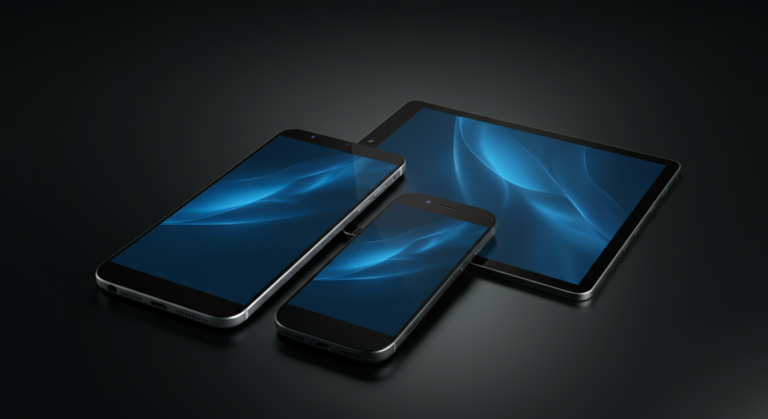
- Smartphones and tablets: The devices closest to your eyes, often used in bed
- Computer monitors: Hours of daily exposure for most office workers
- LED televisions: Large screens emitting blue light across living spaces
- LED and fluorescent lighting: Energy-efficient bulbs that emit more blue light than incandescent bulbs
- Video game consoles: Extended evening use common among younger users
The average American now spends over 7 hours per day looking at screens. Much of this happens in the evening, precisely when blue light causes the most disruption.
How Blue Light Affects Your Body
Blue light influences your biology through several mechanisms, with sleep disruption being the most well-documented effect.
The Melatonin Connection
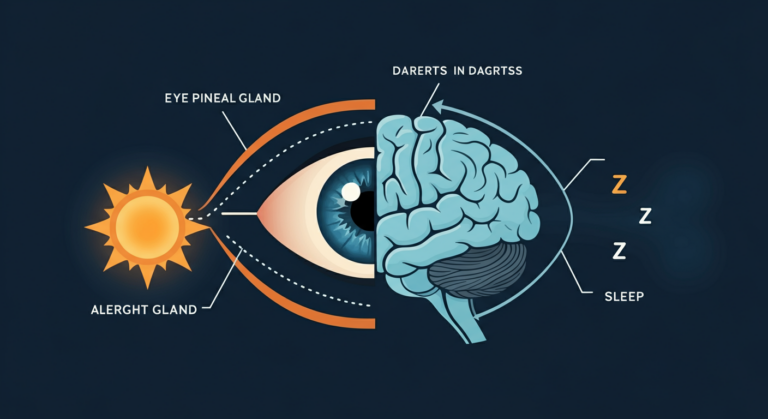
Melatonin is the hormone that signals to your body it’s time to sleep. Your brain’s pineal gland produces melatonin in response to darkness. When light, especially blue light, hits special receptors in your eyes called intrinsically photosensitive retinal ganglion cells (ipRGCs), it sends a signal to suppress melatonin production.
Research published in the Journal of Clinical Endocrinology & Metabolism found that even modest blue light exposure in the evening can delay melatonin onset by up to 90 minutes. Brighter screens or longer exposure can push this delay to 3 hours or more. This disruption is why blue light and sleep have such a complex relationship.
As I noted in my book Empowered, “Blue light emitted by screens and LED lighting” is one of the key factors that can suppress melatonin production, alongside EMF exposure from wireless devices.
Circadian Rhythm Disruption
Your circadian rhythm is your internal 24-hour clock that governs sleep, hormone release, metabolism, and cellular repair. This system evolved with the sun as its primary timing signal.
Blue light acts as a powerful circadian signal. When you expose yourself to blue light at night, you’re essentially telling your body it’s still daytime. This can:
- Delay your natural sleep time
- Reduce total sleep duration
- Decrease time spent in restorative deep sleep
- Leave you feeling groggy the next morning
A landmark study in the Proceedings of the National Academy of Sciences found that people who read on light-emitting e-readers before bed took longer to fall asleep, had reduced evening sleepiness, and felt more tired the next morning compared to those who read printed books.
Eye Strain and Digital Fatigue
Extended screen time can cause digital eye strain, also known as computer vision syndrome. Symptoms include:
- Eye fatigue and discomfort
- Dry or irritated eyes
- Headaches
- Blurred vision
- Neck and shoulder pain
While blue light contributes to eye strain, other factors play a role too: reduced blinking, screen glare, and the near-focus demands of digital devices. Blue light filtering can help, but it’s one piece of the solution.
Blue Light Comparison Table
| Source | Blue Light Intensity | Time of Exposure | Primary Concern |
|---|---|---|---|
| Midday sunlight | Very high | Daytime (beneficial) | None when natural |
| Smartphone (6 inches) | Moderate-high | Often evening/night | Sleep disruption |
| Computer monitor | Moderate | Workday hours | Eye strain, evening sleep |
| LED television | Moderate | Evening | Sleep disruption |
| LED room lighting | Low-moderate | Evening hours | Cumulative exposure |
| Incandescent bulb | Low | Any time | Minimal blue light content |
The Benefits of Blue Light (Timing Matters)
Blue light isn’t inherently harmful. In fact, daytime blue light exposure provides real benefits:
Morning Alertness
Exposure to blue light in the morning helps you wake up and feel alert. It suppresses any remaining melatonin from the night and activates your daytime hormones. This is why a walk outside in the morning light can be more effective than coffee for fighting grogginess.
Cognitive Performance
Research shows that blue light exposure during work hours can improve attention, reaction times, and cognitive performance. The same alerting effects that disrupt sleep at night enhance focus during the day.
Mood Regulation
Blue light therapy is an established treatment for seasonal affective disorder (SAD) and some forms of depression. Light therapy boxes deliver concentrated blue or full-spectrum light to simulate the effects of natural sunlight.
The bottom line: blue light is beneficial during the day and problematic at night. The dose and timing determine the effect.
Practical Steps to Manage Blue Light Exposure
You don’t have to eliminate screens from your life. Here are evidence-based strategies to reduce the downsides of blue light while maintaining the benefits.
Step 1: Follow the 2-Hour Rule
Avoid screens for 2 hours before your intended bedtime. This gives your melatonin production time to begin naturally. If 2 hours feels impossible, start with 1 hour and work your way up.
Step 2: Use Blue Light Blocking Glasses
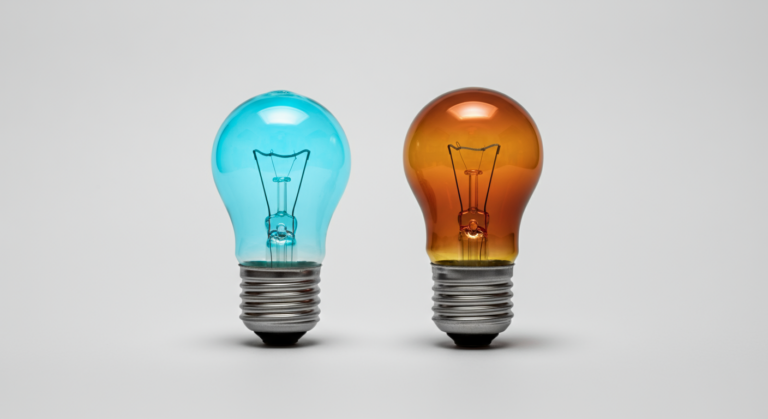
Blue light blocking glasses filter out the wavelengths that suppress melatonin. Clear lenses block 20-40% of blue light, suitable for daytime computer use. Amber or orange lenses block 70-90%, ideal for evening wear.
As I discussed in Empowered, Ocushield’s glasses “filter out the same HEV blue light spectrum responsible for melatonin suppression and digital eye strain.” Wearing them during late afternoon and evening hours is particularly beneficial.
Step 3: Apply Screen Filters
Physical screen filters attach to your devices and reduce blue light emission at the source. Unlike software filters, they provide consistent protection and don’t alter your screen’s color accuracy for professional work.
Step 4: Adjust Device Settings
Most devices now include “night mode” or “night shift” settings that reduce blue light emission by shifting colors toward the warmer end of the spectrum. Enable these features to activate automatically in the evening.
Step 5: Choose Warm Lighting at Night
Replace bright LED bulbs in your bedroom and living areas with lower-wattage, warmer-colored alternatives. For the most comprehensive approach to reducing EMF exposure in your sleep environment, consider creating an emf free bedroom which addresses blue light along with other electromagnetic sources. Or use battery-powered lamps that emit minimal blue light, like the Oculamp I recommend in my book.
Step 6: Get Morning Light Exposure
Bright light exposure in the morning helps anchor your circadian rhythm and makes you more resilient to evening blue light. Spend 15-30 minutes outside in morning sunlight, or use a light therapy box if natural light isn’t available.
Blue Light Products: What Actually Works
| Product Type | Blue Light Reduction | Best For | Considerations |
|---|---|---|---|
| Clear blue light glasses | 20-40% | All-day computer use | Minimal color distortion |
| Amber/orange glasses | 70-90% | Evening wear | Noticeable tint |
| Screen protectors | 30-50% | Smartphones, tablets | Permanent protection |
| Software filters | 20-40% | Quick solution | Affects color accuracy |
| Low-blue-light bulbs | Varies | Bedroom, evening areas | Check Kelvin rating |
Red Light: The Sleep-Friendly Alternative
If blue light suppresses melatonin, what light can you use at night without disrupting sleep? The answer is red light.
Red light has the longest wavelengths in the visible spectrum (620-750nm) and the lowest energy. Research shows that red light exposure does not suppress melatonin production the way blue light does. This makes red light ideal for:
- Evening reading lamps
- Nightlights for bathrooms and hallways
- Bedroom ambient lighting
This is why I recommend switching to red light sources in the evening hours. You can maintain visibility without sending wake-up signals to your brain. For a deeper dive, see our guide on red light for sleep.
Blue Light Protection Products
Once you understand what blue light is and how it affects your health, the next step is reducing your exposure. These guides cover the most effective blue light protection strategies and products:
- Do blue light glasses work? — An evidence-based look at whether blue light blocking glasses actually reduce eye strain and improve sleep.
- Blue light screen protectors — How screen protectors filter blue light from phones, tablets, and monitors, and what to look for when choosing one.
- Blue light and sleep — The science behind how blue light disrupts your circadian rhythm and melatonin production, plus practical steps to protect your sleep.
- Red light for sleep — Why red light is the best alternative light source for evening use and how it supports healthy sleep cycles.
Common Misconceptions About Blue Light
Misconception: All blue light is harmful and should be avoided. Reality: Daytime blue light exposure is beneficial for alertness, mood, and circadian rhythm regulation. Only evening blue light causes sleep disruption.
Misconception: Blue light from screens causes permanent eye damage. Reality: While digital eye strain is real, there’s no conclusive evidence that screen blue light causes permanent retinal damage in humans. The primary concern is sleep disruption, not eye damage.
Misconception: “Night mode” on devices completely eliminates blue light. Reality: Software filters reduce but don’t eliminate blue light. Studies show they help, but dedicated blue light blocking glasses or physical filters provide stronger protection.
Misconception: You need expensive products to block blue light. Reality: Simple behavioral changes like following the 2-hour rule and adjusting room lighting can significantly reduce evening blue light exposure at no cost.
Misconception: Blue light blocking glasses work equally well for everyone. Reality: Lens quality and tint intensity vary widely. Clear lenses provide less protection than amber lenses. Many people wonder do blue light glasses work and the answer depends on the specific product quality and usage patterns.
Next Steps: Protecting Your Sleep From Blue Light
Understanding blue light is the first step. Taking action is what makes the difference. Start with the strategies that fit your lifestyle:
- Try the 2-hour screen-free rule before bed for one week
- Enable night mode on all your devices
- Consider blue light blocking glasses for evening computer use
- Switch to warmer lighting in your bedroom
Want to know if blue light blocking products actually work? Read our science-backed guide: Do Blue Light Glasses Work?
Looking for the best blue light protection products? Browse our blue light glasses collection and screen filters.
Frequently Asked Questions
Blue light is high-energy visible (HEV) light with wavelengths between approximately 380 and 500 nanometers. It is emitted naturally by the sun and artificially by LED screens, fluorescent lighting, and digital devices. Blue light has more energy per photon than other visible light colors, which is why it has stronger biological effects on your eyes and circadian rhythm.
Excessive blue light from screens can contribute to digital eye strain, disrupt your sleep-wake cycle, and may affect long-term eye health. The concern is not that screens emit dangerous levels of blue light in absolute terms, but that we are exposed to it for many hours per day and especially in the evening when it interferes with melatonin production and sleep quality.
Yes. Blue light suppresses melatonin production more than any other visible wavelength. Exposure to blue light from screens in the 2-3 hours before bedtime can delay your circadian rhythm, make it harder to fall asleep, and reduce sleep quality. This is why sleep researchers recommend reducing screen time in the evening or using blue light filters after sunset.
Effective strategies include using blue light blocking glasses (especially in the evening), applying blue light screen protectors to your devices, enabling night mode or blue light filter settings on phones and computers, switching to warm-toned lighting in the evening, and limiting screen time in the 2-3 hours before bed. Red light bulbs are the best alternative light source for nighttime use.
No. Blue light and UV light are different parts of the electromagnetic spectrum. UV light has shorter wavelengths (100-400 nm) and is invisible to the human eye, while blue light has longer wavelengths (380-500 nm) and is visible. Both carry relatively high energy, but UV light is more energetic and is a known cause of skin cancer and cataracts. Blue light's health effects are primarily related to eye strain and circadian rhythm disruption.