

Wired headphones are generally safer than wireless because they don’t emit Bluetooth radiation. However, standard wired headphones can still conduct RF from your phone through the wire to your ears.
For maximum safety, air tube headphones eliminate both Bluetooth radiation and conducted RF, creating a truly low-EMF listening experience.
Medical Disclaimer: This article is for informational purposes only. It is not, nor is it intended to be, a substitute for professional medical advice, diagnosis, or treatment and should never be relied upon for specific medical advice.
Key Takeaways
- Wired headphones eliminate Bluetooth radiation, making them safer than wireless for EMFEMF stands for electromagnetic field (also called electromagnetic frequency or electromagnetic force). EMFs are invisible fields of energy produced by electrically charged objects. They exist on a spectrum ranging from... exposure
- Standard wired headphones can conduct RF from your phone through the wire to your ears
- Air tube headphones block both Bluetooth and conducted RF with their air gap design
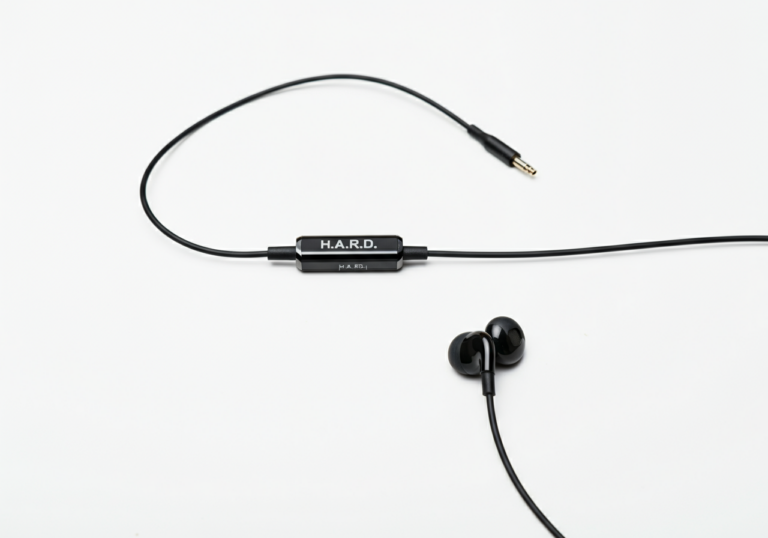
- The H.A.R.D. device converts regular wired headphones into anti-radiation headphones
- Using airplane mode with wired headphones eliminates all headphone-related EMF exposure
The Short Answer: Yes, But With Caveats
If you’re comparing standard wired headphones to Bluetooth wireless headphones purely on EMF exposure, wired wins. Wired headphones don’t contain Bluetooth transmitters, so they don’t emit the radiofrequency radiationRadiofrequency radiation (RFR) is electromagnetic energy in the frequency range of 3 kHz to 300 GHz. This type of non-ionizing radiation is emitted by wireless devices and communication infrastructure. Cell... that wireless headphones produce.
But the story doesn’t end there.
Standard wired headphones can act as antennas, picking up and conducting RF radiation from your phone through the wire toward your ears. This “conducted RF” is lower than the direct emission from Bluetooth, but it’s not zero.
For a complete understanding of whether Bluetooth headphones are bad for you, we need to examine all the ways EMF can reach your head through headphones.
Types of Headphone EMF Exposure
There are two distinct ways headphones can expose you to electromagnetic radiationElectromagnetic radiation (EMR) is energy that travels through space as waves of oscillating electric and magnetic fields. It includes everything from radio waves to visible light to gamma rays. All...:
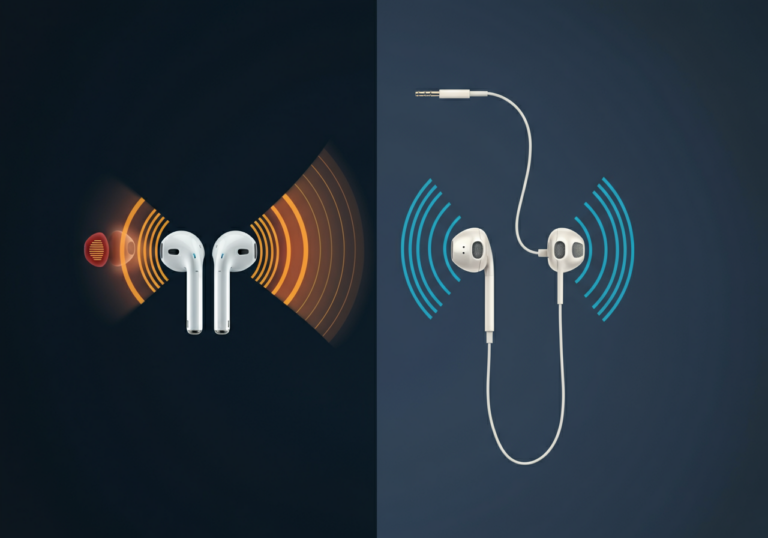
1. Direct Emission (Wireless Only)
Bluetooth headphones contain active radio transmitters. These transmitters emit RF radiation in the 2.4 GHz frequency band to maintain connection with your phone. The transmitter sits inside the headphone or earbud, millimeters from your brain.
Affected headphones: All wireless/Bluetooth models
Eliminated by: Switching to wired headphones
2. Conducted RF (Wired Headphones)
Your phone constantly emits RF radiation when connected to cellular networks, WiFi, or Bluetooth. Standard headphone wires can act as antennas, picking up this radiation and conducting it along the wire toward your ears.
The metal wire provides a pathway for RF energy to travel from your phone (which you might keep in your pocket or hold in your hand) toward your head.
Affected headphones: Standard wired headphones
Eliminated by: Air tube headphones or H.A.R.D. device
Comparing Headphone Types for Safety
| Headphone Type | Bluetooth Radiation | Conducted RF | Overall EMF at Ears |
|---|---|---|---|
| True wireless earbuds | High | N/A | Highest |
| Over-ear Bluetooth | Moderate | N/A | Moderate-High |
| Standard wired | None | Possible | Low-Moderate |
| Wired with H.A.R.D. | None | Blocked | Very Low |
| Air tube | None | Blocked | Lowest |
The hierarchy is clear: wireless exposes you to the most EMF, standard wired exposes you to less, and air tube or protected wired exposes you to the least.
Why Standard Wired Headphones Aren’t Perfect
Many people assume that switching from Bluetooth to wired headphones eliminates EMF exposure entirely. This isn’t quite accurate.
How Conducted RF Works
Your phone’s antenna emits RF radiation whenever it’s communicating with cell towers, WiFi routers, or Bluetooth devices. This radiation radiates outward from the phone, and some of it can couple with nearby conductive materials.
Headphone wires are conductive. When the wire runs near your phone (or the phone is in your pocket while you listen), it can pick up some of this RF energy. The wire then acts as a transmission line, carrying that energy toward the speaker in your ear.

Is This a Big Concern?
Conducted RF from wired headphones is significantly lower than direct Bluetooth emission. Studies that have measured this phenomenon find levels well below regulatory limits.
However, “below regulatory limits” doesn’t mean “no biological effect.” As discussed in our Bluetooth radiation guide, current safety standards were set in 1996 and only address thermal effects. Non-thermal biological effects from RF radiation at lower levels are documented in hundreds of studies.
For those who want to minimize all unnecessary EMF exposure, conducted RF is worth addressing.
The Safest Wired Options
Two solutions eliminate conducted RF from wired headphones:
Air Tube Headphones
Air tube headphones replace the final section of headphone wire with hollow tubes that carry sound acoustically. The speaker sits several inches from your ear, and the air gap in the tubes cannot conduct electricity.

This design eliminates:
- All Bluetooth radiation (no wireless components)
- All conducted RF (air doesn’t conduct electricity)
Air tubes represent the lowest-EMF headphone option available. Our air tube headset guide covers how they work and what to look for.
The H.A.R.D. (Headset Anti-Radiation Device)
If you prefer your existing wired headphones, the H.A.R.D. provides protection without replacing them. This inline device contains a dielectric gel that absorbs RF radiation before it reaches your ears.
The H.A.R.D. sits between your phone and your headphones. Any RF conducted along the wire passes through the device, where the dielectric gel absorbs it before it continues to your ears.
SYB is the only seller of the H.A.R.D. in the world. It’s an ideal solution for:
- Audiophiles with high-end wired headphones
- Those who prefer over-ear designs to air tube earbuds
- Anyone who wants EMF protection without changing their headphone setup
When Wireless Might Be Acceptable
This article emphasizes the EMF advantages of wired headphones, but context matters. Here are situations where wireless might make sense even for EMF-conscious users:
Short Duration Use
If you only use headphones for brief periods (under 30 minutes), the cumulative exposure difference is smaller. Wireless convenience might outweigh the exposure concern for occasional use.
Safety-Critical Situations
A tangled cord during exercise or while commuting can create hazards. If wireless prevents accidents, that safety benefit has value.
When Combined with Other Precautions
If you’re already minimizing your overall EMF exposure through other means (distance from phone, WiFi timer, etc.), occasional wireless headphone use represents a smaller portion of your total exposure.
The goal isn’t perfection. It’s awareness and reasonable reduction where practical.
Maximizing Safety with Wired Headphones
If you choose wired headphones, these practices maximize your protection:
Step 1: Use Air Tubes or H.A.R.D.
For the lowest possible EMF exposure, use air tube headphones or add the H.A.R.D. to your existing wired headphones.
Step 2: Keep Phone Away from Wire
When using standard wired headphones, keep your phone away from the headphone cord when possible. Don’t let the wire drape over the phone while it’s transmitting.
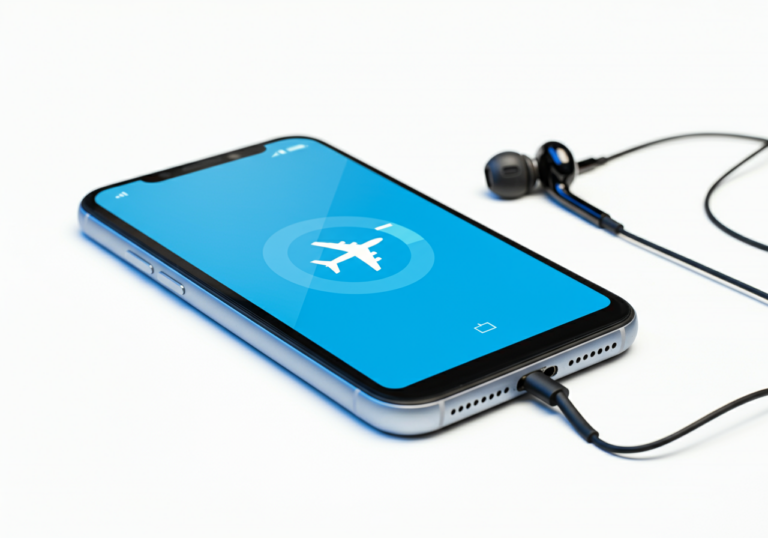
Step 3: Use Airplane Mode
The ultimate EMF-free listening setup:
1. Download your audio (music, podcasts, audiobooks) in advance
2. Put your phone in airplane mode
3. Disable WiFi and Bluetooth
4. Listen through air tube or H.A.R.D.-protected headphones
This eliminates all headphone-related EMF exposure because your phone isn’t transmitting anything to conduct.
Step 4: Limit Duration
Regardless of headphone type, limit how many hours you spend with anything in or over your ears. Give your ears breaks, and use speakers when privacy isn’t needed.
The Role of Headphone Design
Not all wired headphones conduct RF equally. Design factors affect how much RF reaches your ears:
Over-Ear vs. In-Ear
Over-ear headphones place the speaker driver in a cup that sits on top of your ear, creating some distance from your ear canal. In-ear earbuds place the speaker directly in your ear canal.
If conducted RF is present, in-ear designs deliver it closer to sensitive tissue.
Shielded Cables
Some high-end audio cables include shielding designed to block electromagnetic interference for audio quality purposes. This shielding may also reduce conducted RF, though it’s not specifically designed for health purposes.
Ferrite Beads
Some headphone cables include ferrite beads (small cylindrical components) near the connector. These can absorb some RF energy, though their effectiveness varies.
Common Misconceptions
Misconception: “Wired headphones are completely EMF-free.”
Reality: Wired headphones eliminate Bluetooth radiation but can conduct RF from your phone. For truly minimal EMF exposure, use air tubes or add a H.A.R.D. device.
Misconception: “Any wire can conduct dangerous amounts of RF.”
Reality: Conducted RF from headphone wires is generally lower than direct Bluetooth emission. The concern is cumulative exposure over hours of daily use, not acute danger.
Misconception: “Expensive wired headphones are safer than cheap ones.”
Reality: Price doesn’t correlate with EMF safety. An expensive audiophile headphone can conduct just as much RF as a budget pair. The cable design matters more than the price.
Misconception: “Switching to wired means giving up convenience entirely.”
Reality: Modern phones require adapters for wired headphones, which adds some inconvenience. But many users find the trade-off worthwhile, especially with products like the H.A.R.D. that work with any wired headphone.
The Bottom Line
Wired headphones are safer than wireless when it comes to EMF exposure. By eliminating Bluetooth radiation, you remove the primary source of headphone-related EMF.
But “safer” isn’t the same as “safe.” Standard wired headphones can still conduct RF from your phone to your ears. For those who want truly minimal EMF exposure from headphones, air tube technology or the H.A.R.D. device provides a complete solution.
The good news: you don’t have to give up audio convenience to reduce your exposure. Whether you choose air tubes, protect your existing headphones with the H.A.R.D., or simply switch from Bluetooth to standard wired, you’re taking a meaningful step toward reducing unnecessary EMF exposure.
Frequently Asked Questions
Wired headphones eliminate Bluetooth radiation entirely, which is the primary EMF concern with wireless headphones. Conducted RF from standard wired headphones is typically much lower than Bluetooth emission, making wired notably safer for total EMF exposure.
For short-duration use, conducted RF from standard wired headphones is a minor concern. The concern grows with cumulative hours of daily use. If you use headphones for hours daily, air tubes or H.A.R.D. protection makes more sense.
Digital headphones with USB-C or Lightning connectors can also conduct RF, though the pathway is different. The cable still provides a conductive path from the phone toward your head.
Wireless bone conduction headphones still emit Bluetooth radiation. Wired bone conduction headphones eliminate Bluetooth but can still conduct RF. The bone conduction delivery method doesn't inherently improve EMF safety.
Yes, with an RF meter. Place the meter near the headphone wire while your phone is actively transmitting (during a call or with active data usage). You'll typically see higher readings closer to the phone and lower readings near the earpiece.