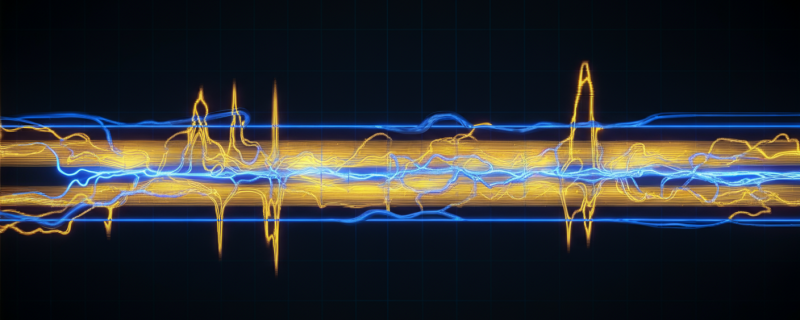

Dirty electricity refers to high-frequency voltage spikes riding along your home’s standard 60 Hz power lines. Created by modern electronics like LED bulbs and phone chargers, this electrical pollution radiates from wiring into living spaces.
You can measure it with specialized meters and reduce it using filters or by addressing source devices directly.
Medical Disclaimer: This article is for informational purposes only. It is not, nor is it intended to be, a substitute for professional medical advice, diagnosis, or treatment and should never be relied upon for specific medical advice.
Key Takeaways
- Dirty electricity is high-frequency noise (2-100+ kHz) riding on your home’s standard 60 Hz power
- Common sources include LED/CFL bulbs, phone chargers, dimmer switches, and solar inverters
- Unlike wireless EMFEMF stands for electromagnetic field (also called electromagnetic frequency or electromagnetic force). EMFs are invisible fields of energy produced by electrically charged objects. They exist on a spectrum ranging from..., dirty electricity radiates from every wire in your walls throughout your home
- Specialized meters can detect dirty electricity at any outlet, guiding targeted reduction through filters, device replacement, or power quality improvements
- External sources from neighbors and the grid can also contribute to your home’s dirty electricity
Your home’s electrical wiring carries more than the power that runs your appliances. Hidden within that flow is a form of electromagnetic pollution that most people never think about: dirty electricity.
If you’re concerned about EMF exposure in your home, understanding dirty electricity is essential. It behaves differently from wireless radiation or the magnetic fields from power lines, and it requires different strategies to address. In this guide, you’ll learn exactly what dirty electricity is, where it comes from, what the research shows about health effects, and practical steps you can take to reduce your exposure.
For detailed product comparisons and recommendations on filters, see our Dirty Electricity Filters Guide.
What Is Dirty Electricity? Understanding Power Quality Issues
Electricity from your utility company is designed to flow as a smooth, consistent wave at 60 Hz (in North America) or 50 Hz (in Europe and other regions). This clean sine wave is what your appliances expect to receive.

But in today’s world, that smooth waveform is constantly being disrupted. The result is what’s called dirty electricity, also known as electrical noise, electromagnetic interference (EMI), or high-frequency voltage transients.
Here’s a simple way to understand it: imagine an opera singer holding a long, steady note. That smooth, consistent tone represents clean electricity. Now imagine that same note interrupted by sudden screeches and fluctuations. Those disruptions represent dirty electricity—erratic spikes and surges that contaminate the normal electrical flow.
As I explain in my book Empowered:
“Dirty electricity refers to erratic spikes and surges in the electrical current… caused by power inverters, devices with switching power supplies, lighting systems with dimmers…”
If you were to measure the electricity at your local power station with an oscilloscope, you’d see a nice, clean sine wave. Measure that same electricity when it reaches your home, and it often looks dramatically different: jagged, erratic, and “dirty.”
The Science Behind Dirty Electricity: How It Forms
Dirty electricity forms when devices manipulate electrical current in non-linear ways. The standard 60 Hz electricity flows in a predictable pattern, but certain devices chop up, convert, or interrupt this flow, creating high-frequency harmonics and transients that range from 2 kHz to 100 kHz or higher.

These disturbances happen because many modern devices don’t use electricity in its standard form. They need to convert it:
- AC to DC conversion: Phone chargers, laptop adapters, and LED drivers convert alternating current to direct current
- Voltage manipulation: Dimmer switches interrupt the flow of electricity to reduce light output
- Power conditioning: Solar inverters convert DC power from panels back to AC for home use
- Variable speed controls: Modern motors in HVAC systems and appliances adjust their speed by manipulating electrical frequency
Each of these processes creates electrical “noise” that travels back through your wiring. Unlike the EMF that radiates directly from a device, dirty electricity spreads throughout your entire electrical system, radiating from every wire in every wall.
Common Sources of Dirty Electricity in Your Home
Understanding the sources helps you prioritize which to address first. The most common culprits include:

Lighting Systems
- CFL (compact fluorescent) bulbs
- LED bulbs with electronic drivers
- Dimmer switches
- Fluorescent tube lighting
Electronics and Chargers
- Phone and tablet chargers
- Laptop power adapters
- Desktop computer power supplies
- Television sets
- Gaming consoles
Wireless chargers are another common source worth understanding. The inverter technology they use creates similar electrical noise. Learn more in Are Wireless Phone Chargers Safe?.
Major Appliances
- Variable-speed HVAC systems
- Modern refrigerators with inverter compressors
- Washing machines with variable-speed motors
- Blenders and food processors
Energy Systems
- Solar panel inverters
- Battery backup systems
- EV chargers
- Smart meters
External Sources
Your neighbors’ devices and the utility infrastructure itself also contribute. Dirty electricity generated elsewhere on the grid can travel into your home through the power lines. This is one reason why filtering at the point of entry can be valuable.
Stray RF Signals
Another less-discussed contributor is stray radiofrequency radiationRadiofrequency radiation (RFR) is electromagnetic energy in the frequency range of 3 kHz to 300 GHz. This type of non-ionizing radiation is emitted by wireless devices and communication infrastructure. Cell.... The countless wireless signals in our environment—from cell towers, WiFi routers, and mobile devices—can be picked up by power lines and carried into your home as high-frequency transients on the wiring.
Health Effects: What Current Research Shows
Research on dirty electricity and health is still developing, but several scientists have published findings worth understanding.
Dr. Samuel Milham, an epidemiologist who spent his career studying the relationship between electromagnetic fields and disease, conducted significant research on high-frequency voltage transients. His work linked elevated dirty electricity levels to increased cancer incidence among teachers at a California school. Dr. Milham has argued that much of the chronic disease burden in modern society may be connected to ongoing exposure to electrical pollution.
Dr. Magda Havas at Trent University has published case studies examining the relationship between dirty electricity and symptoms in electrically sensitive individuals. Her research documented improvements in conditions including:
- Blood sugar regulation in diabetic patients
- Symptoms in people with multiple sclerosis
- Attention and behavior in children
Common symptoms associated with dirty electricity exposure in sensitive individuals include:
- Headaches and fatigue
- Sleep disturbances
- Difficulty concentrating
- Irritability
- Tinnitus (ringing in ears)
It’s important to approach this research with appropriate nuance. While these studies suggest biological effects, more peer-reviewed research is needed to fully quantify the health impacts. What we can say is that dirty electricity is measurable, it does exist in most modern homes, and there are practical ways to reduce it.
Dirty Electricity vs. Other EMF Types: Understanding the Differences
EMF isn’t one thing—it’s a spectrum of different electromagnetic phenomena. Understanding where dirty electricity fits helps you develop a comprehensive protection strategy.

RadiofrequencyRadiofrequency (RF) refers to electromagnetic waves in the frequency range of approximately 3 kHz to 300 GHz. This portion of the electromagnetic spectrum is used for wireless communication. RF energy... (RF) Radiation
This is the wireless radiation from cell phones, WiFi routers, cell towers, and Bluetooth devices. It travels through the air and operates at frequencies from about 3 kHz to 300 GHz.
Magnetic Fields (ELF)
Created by flowing electrical current, magnetic fields emanate from power lines, electrical panels, and any device drawing significant power. They decrease rapidly with distance and can penetrate most materials.
For more on power line EMF specifically, see Do Power Lines Emit Radiation?. Your electrical panel can also be a significant source of magnetic fields — learn more in our guide on what to do about your breaker panel and other point sources of magnetic fields.
Electric Fields
Created by voltage (even when no current flows), electric fields exist around any energized wire or device. They can be shielded by walls and most materials.
Dirty Electricity
This is the high-frequency noise (typically 2-100+ kHz) riding on your home’s 60 Hz wiring. Unlike RF, it doesn’t travel wirelessly—it’s conducted through your electrical system. Unlike magnetic fields from appliances, it spreads throughout your entire home via the wiring.
The key distinction: you can’t measure dirty electricity with a standard EMF meter. You need a specialized dirty electricity meter or EMI line monitor that plugs into your outlets and reads the high-frequency noise on the circuit.
| EMF Type | Frequency Range | Common Sources | How It Travels | Detection Tool |
|---|---|---|---|---|
| Dirty Electricity | 2-100+ kHz | LED bulbs, chargers, dimmers, solar inverters | Through home wiring | EMI line monitor |
| Radiofrequency (RF) | 3 kHz-300 GHz | Cell phones, WiFi, Bluetooth, cell towers | Through air (wireless) | RF meter |
| Magnetic Fields (ELF) | 50-60 Hz | Power lines, appliances, electrical panels | Through air, penetrates walls | GaussA gauss (G) is a unit measuring magnetic flux density, or how strong a magnetic field is. It's named after mathematician Carl Friedrich Gauss and is commonly used in EMF... meter |
| Electric Fields | 50-60 Hz | Energized wiring, ungrounded devices | Through air, blocked by walls | Electric field meter |
How to Detect Dirty Electricity: Testing Methods
Before implementing solutions, measurement tells you whether you have a problem and how severe it is. Testing also lets you verify that your solutions are actually working.

What You Need
A dirty electricity meter (also called an EMI line monitor) plugs directly into standard outlets and displays the level of high-frequency electrical noise present on that circuit. The Satic EMI Line Monitor is one reliable option we recommend for home testing.
Basic Testing Protocol
- Test each room by plugging the meter into multiple outlets
- Note baseline readings with devices both on and off
- Identify which circuits have the highest levels
- Pay special attention to bedrooms, home offices, and areas where you spend extended time
Andrew McAfee’s Testing Method
EMF consultant and licensed electrician Andrew McAfee recommends a more thorough approach: measure magnetic field levels in the middle of a room while turning lights on and off, plugging and unplugging loads from wall receptacles. This helps identify whether dirty electricity in the magnetic field is spreading across the room—a situation that can be fixed by a knowledgeable electrician before installing filters.
Important Considerations
- Dirty electricity levels are dynamic—they change based on what’s running in your home and your neighbors’ homes
- Don’t rely on a single measurement; test at different times of day
- Keep records so you can track changes over time
Practical Solutions for Reducing Dirty Electricity
Once you understand your dirty electricity situation, you can implement solutions ranging from behavioral changes to professional-grade filtration.

Behavioral Changes (Free)
Turn off circuit breakers at night. Cutting power to a circuit eliminates dirty electricity on that circuit entirely. This is especially valuable for bedrooms—you can either manually flip breakers or install a remote-controlled EMF kill switch.
Replace problematic bulbs. Switch from CFL and standard LED bulbs to low-EMI alternatives. Satic EMI-Free LED Bulbs are designed specifically to minimize dirty electricity generation.
Consolidate electronics. Rather than having devices spread throughout your home, consider consolidating them in specific areas that can be addressed more effectively.
Unplug when not in use. Many devices continue creating electrical noise even in standby mode.
Plug-In Filters
Plug-in dirty electricity filters work in two directions: they reduce existing dirty electricity on the circuit and block noise generated by plugged-in devices from feeding back into your wiring.
As I describe in Empowered:
“Think of it this way: your home’s electrical wiring is like a road. Dirty electricity is like potholes, bumps, and debris that make the ride rough and unpredictable. A DE filter works like a road crew—it clears out the junk so that the current can travel smoothly.”
These filters are simple to use—just plug them in. However, effectiveness varies based on your home’s wiring, and using multiple filters across circuits can produce unexpected interactions. Always verify results with a meter.
Whole-Home Filters
For comprehensive protection, whole-home dirty electricity filters install at your electrical panel and filter all electricity entering your home. These require professional installation by a licensed electrician but provide passive, ongoing protection without needing filters at individual outlets.
Grounding Considerations
If you use grounding products like earthing mats or sheets, be aware that dirty electricity can travel through the grounding conductor. Products like the NCB (Nuisance Current Blocker) are designed to filter interference from grounding paths, making your grounding products safer to use. It’s worth noting that electrical grounding is different from the “earthing” wellness trend — learn more about common grounding myths.
For detailed comparisons of all these products, see our Dirty Electricity Filters Guide.
Common Misconceptions
Misconception: Dirty electricity is the same as a power surge
Reality: Power surges are brief, high-voltage spikes caused by lightning or utility switching. Dirty electricity is ongoing high-frequency noise (2-100+ kHz) created by everyday devices like LED bulbs and chargers. Surge protectors do not filter dirty electricity.
Misconception: Newer homes have less dirty electricity
Reality: Newer homes often have more dirty electricity because they contain more of the devices that generate it: LED lighting, smart home systems, variable-speed HVAC, and solar inverters. Older homes with incandescent bulbs and fewer electronics may actually have cleaner power.
Misconception: You can detect dirty electricity with a standard EMF meter
Reality: Standard EMF meters measure RF radiation, magnetic fields, or electric fields. Dirty electricity requires a dedicated meter like the Satic EMI Line Monitor that plugs into outlets and reads the high-frequency noise on the circuit.
DIY Home Assessment Checklist
Use this checklist to systematically evaluate your home:
Step 1: Inventory Your Sources
- Count CFL and LED bulbs throughout your home
- List devices with switching power supplies (chargers, adapters)
- Note any dimmer switches
- Identify solar, battery, or EV charging systems
- Check for smart meter on your home
Step 2: Prioritize Testing Areas
- Bedrooms (where you spend 6-8 hours recovering)
- Home office (extended exposure during work)
- Living areas where you spend significant time
- Near electrical panels and major appliances
Step 3: Test and Record
- Measure baseline levels in each priority area
- Test with devices on vs. off
- Document readings for comparison after implementing solutions
Step 4: Implement Solutions
- Start with free behavioral changes
- Add plug-in filters to highest-priority areas
- Consider whole-home filtration for comprehensive protection
- Re-test to verify improvements
When to Call a Professional
If your readings remain high despite implementing solutions, or if you suspect wiring issues (which can create magnetic fields that carry dirty electricity throughout rooms), consult with a qualified EMF consultant or electrician familiar with power quality issues.
Frequently Asked Questions
Dirty electricity refers to erratic spikes and surges in electrical current caused by devices that manipulate electrical flow, resulting in high-frequency noise on your home's wiring.
Common sources include CFL and LED bulbs, dimmer switches, phone chargers, modern appliances with variable-speed motors, and solar panel inverters.
You can detect dirty electricity using a specialized dirty electricity meter or EMI line monitor that plugs into your outlets and measures high-frequency electrical noise.
Research suggests that exposure to dirty electricity may be linked to symptoms such as headaches, fatigue, sleep disturbances, and irritability, particularly in electrically sensitive individuals.
Solutions include turning off circuit breakers at night, replacing problematic bulbs, consolidating electronics, unplugging devices when not in use, and using plug-in or whole-home dirty electricity filters.